
Are Valances Out of Style in Boston, MA? How to Update Them for Modern Homes
By Kendra Weldon, owner and lead designer at Simply Windows in Westborough, MA
Short answer: No, valances are not out of style. Ornate, ruffled versions look dated, but clean, tailored valances in natural fabrics like linen look fresh and polished. The difference is in the shape, the fabric, and the scale.
"Valances never really went 'out of style' — they went out of the flat, boxy version people remember," says Kendra Weldon, lead designer at Simply Windows. "Done right, in the right fabric and proportion, they still read as tailored, not dated."
What is a drapery valance?
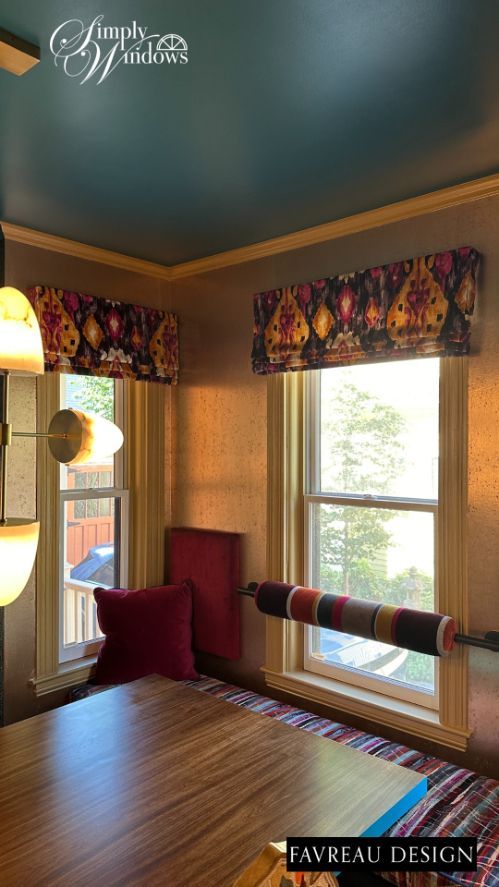
A drapery valance is a fabric treatment across the top of a window. It hides hardware, adds a finished header, and completes the look of a window treatment.
It is easy to mix up valances with two similar ideas:
- Valances are made from fabric.
- Cornices are a board covered with fabric.
- Pelmets are structured, often wooden, and painted or upholstered.
Why do people think valances are dated?
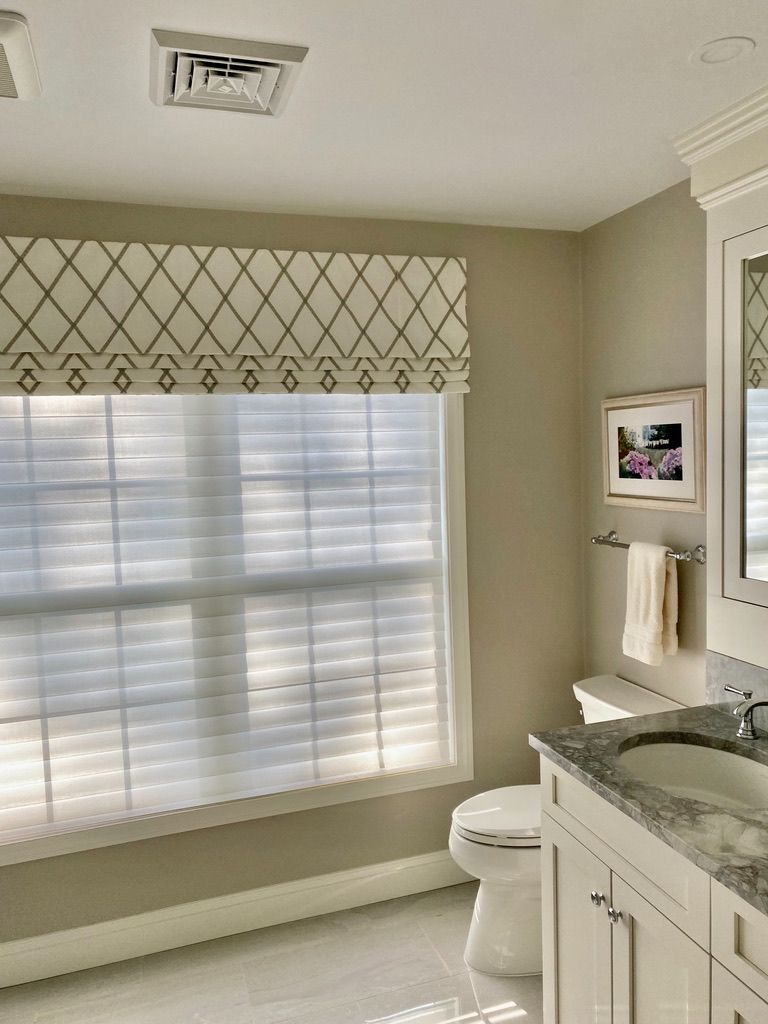
Valances were very popular in older homes, with heavy fabrics, swags, and tassels. In the 1980s and 1990s, ruffled and balloon styles were everywhere. They often looked bulky, and they clashed with the clean, minimal rooms that came next. That is where the "dated" reputation began.
Today, designers are bringing valances back in a more refined way, with simple shapes and natural materials.
What makes a valance look modern?
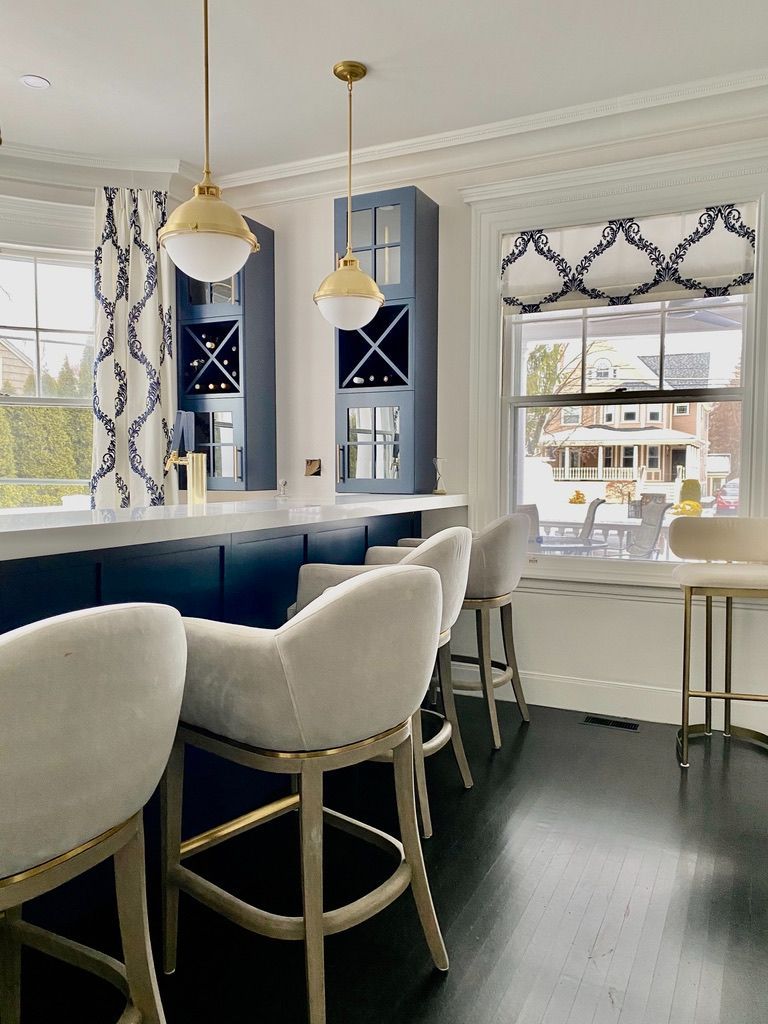
Five small choices separate a fresh valance from a dated one:
- Tailored shape. Flat panels, box pleats, and inverted V styles look current. Skip ruffles and balloon shapes.
- Natural fabric. Linen, linen blends, and cotton in solids or soft patterns feel light and modern.
- Minimal trim. Try micro-piping or a subtle band instead of tassels, or no trim at all.
- The right scale. A valance that is too big looks heavy. One that is too small looks unfinished.
- Quiet color. Cream, soft gray, and earthy tones age well. Use an accent color only if it echoes something in the room.
What are the best valance styles for Boston-area homes?
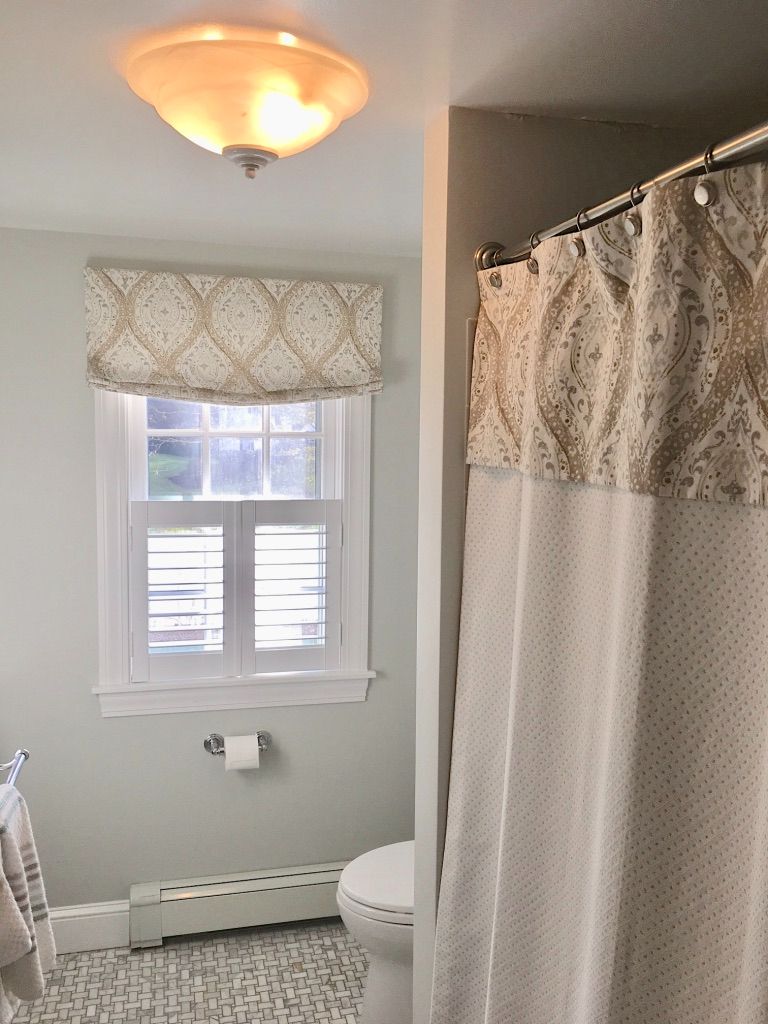
Valances look best when they fit the architecture.
- Newton and Needham colonials. Classic proportions welcome a tailored box valance above full-length drapery. It adds polish without feeling fussy.
- Beacon Hill and South End brownstones. Tall windows can handle a valance mounted a bit higher. That can make ceilings feel taller and hide the hardware.
- Seaport and other modern condos. A slim, flat valance or a clean headrail cover keeps lines simple. It also hides the mechanism on motorized shades.
- Historic homes in Westborough and MetroWest. Softer, more traditional shapes can suit period details, as long as the fabric and trim stay light.
If you like the idea of a clean header over automated shades, our guide to
Hunter Douglas PowerView smart window treatments shows how the pieces fit together.
Do valances still have a job to do?
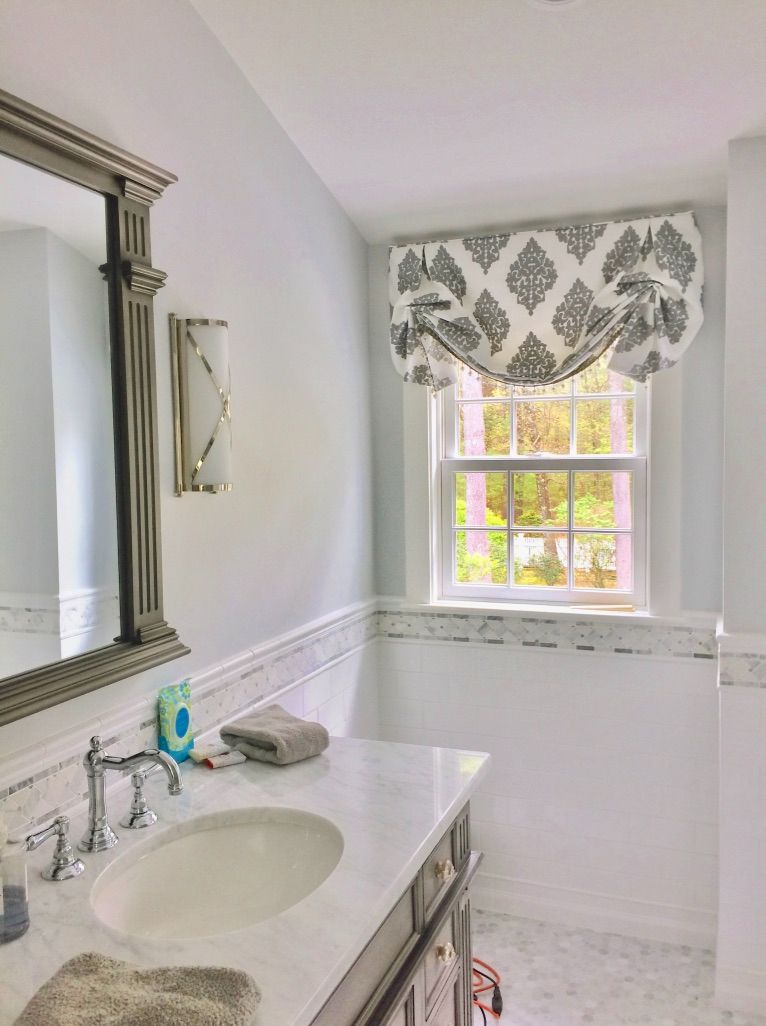
Yes. A well-made valance is useful as well as pretty:
- It hides hardware like rods, brackets, and shade mechanisms.
- It layers with drapery or sheers for a softer, finished look.
- It adds a layer at the top of the window, which can help with drafts.
- It balances proportion, especially on tall or wide windows.
We often suggest a valance when a room feels a little bare at the top of the window. You can also read more about
custom valances and drapery.
How do I choose the right valance for my windows?
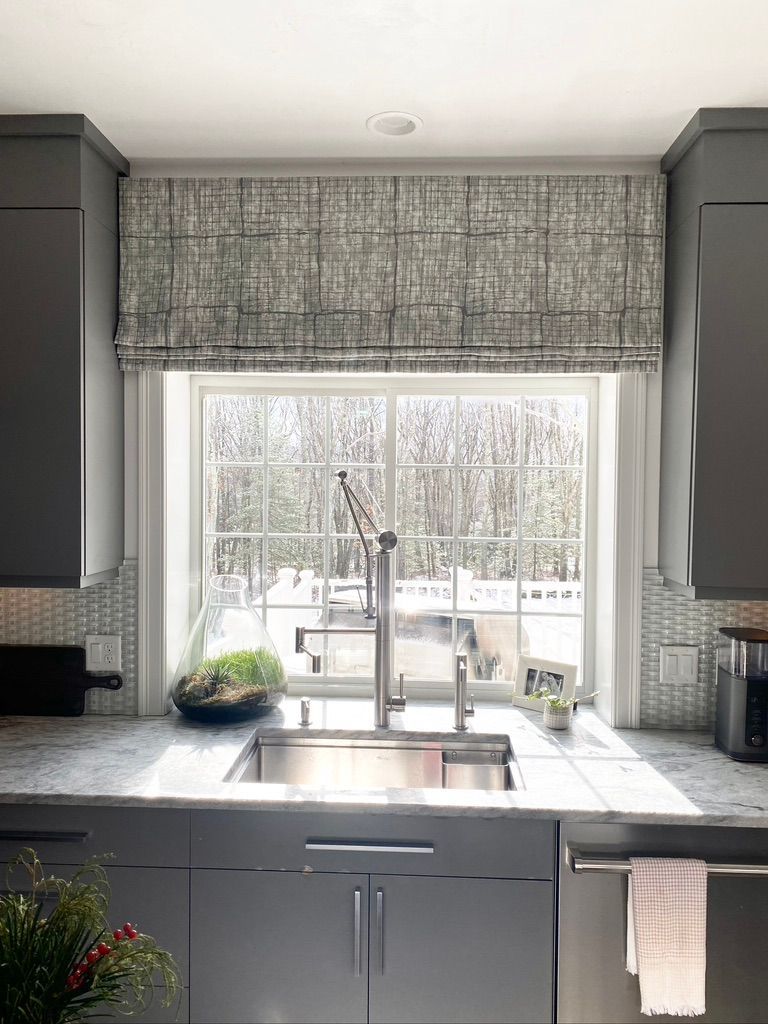
Start with three questions:
- What is the room for? A bedroom may want a soft, quiet header. A dining room can handle a little more pattern.
- What is already at the window? A valance should work with your drapery, shades, or sheers, not compete with them.
- What is your ceiling height? Taller ceilings can take a deeper valance. Lower ceilings usually look best with a slimmer one.
Bring a photo of your window to a free consultation. We can show you how a few different shapes and fabrics would look in your own light.
What can I use instead of a valance?
A valance is not right for every room. If your home is very minimal, or the windows themselves are the feature, consider these options:
- Cornice boards. An upholstered box that adds structure.
- Fascia or headrail covers. Sleek panels that hide the top of roller or motorized shades.
- A simple header. A trim painted the same color as the wall.
- A statement rod. In brass or matte black, with the drapery hung cleanly below.
We will always tell you honestly when a different treatment will look better in your space.
Frequently asked questions about valances
Can valances work in minimalist rooms?
Yes. A flat or box valance in a neutral tone suits a minimalist room. Keep the fabric plain and the trim simple.
How far above the window should a valance hang?
Many designers mount a valance about 4 to 6 inches above the window frame. Going higher can make the window look taller. The best height depends on your ceiling and your window.
What fabrics work best for a modern valance?
Linen, linen blends, and cotton are great choices. They are light, hold a crisp shape, and feel current. Your designer can help you match the weight to your drapery.
Can I add a valance to shades I already have?
Often, yes. A custom valance or headrail cover can be made to fit over many shades and drapery. Because every window is different, we measure to be sure it fits well.
Ready to transform your windows? Request your free in-home consultation.

Not sure whether a valance fits your windows? That is exactly what we help homeowners work through. Kendra Weldon has more than 20 years of interior design experience, and Simply Windows has served Greater Boston since 2010. We bring the showroom to you, with designer fabric samples in hand, and there is no pressure.
