
How to Style Drapery for Bay and Bow Windows
TLDR;
To style drapery for bay and bow windows, mount a curved or flexible track that follows the window’s shape, or use multiple rods aligned with each angle. Choose floor-to-ceiling drapes or layered treatments like sheers and blackout panels for both elegance and function. Proper measuring, hardware selection, and fabric choice create a cohesive look that enhances light control and privacy.
Bay and Bow Window Drapery Styling with Simply Windows
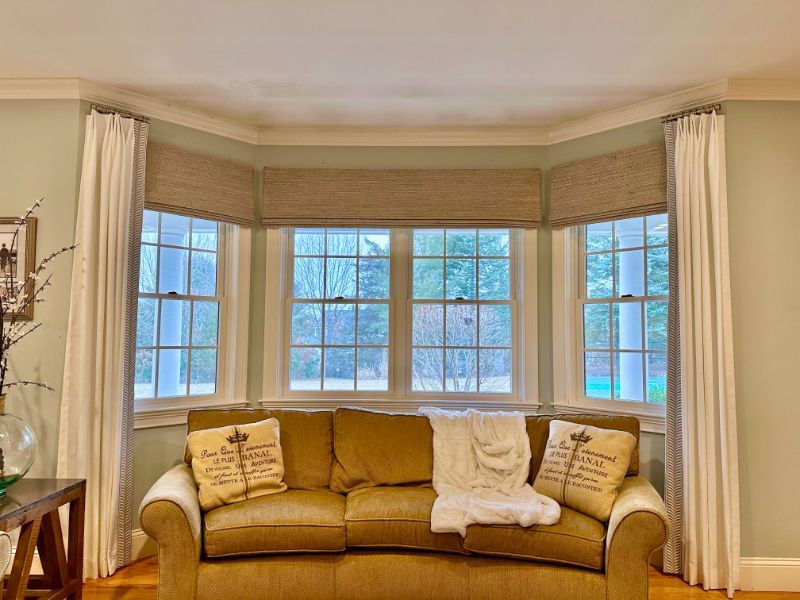
Bay and bow windows bring natural light and dimension to any space. Drapery plays a crucial role in framing these architectural features. The challenge is their shape—angled for bay windows and curved for bow windows—which demands specific hardware, thoughtful measurements, and strategic styling. Simply Windows has helped countless homeowners and designers approach these unique windows with precision and creativity.
Styling drapery for bay and bow windows is about balance. You need beauty, practicality, and proper functionality all in one design. The right drapery can highlight window contours while improving insulation and privacy.
Understanding Bay and Bow Windows
What Is a Bay Window
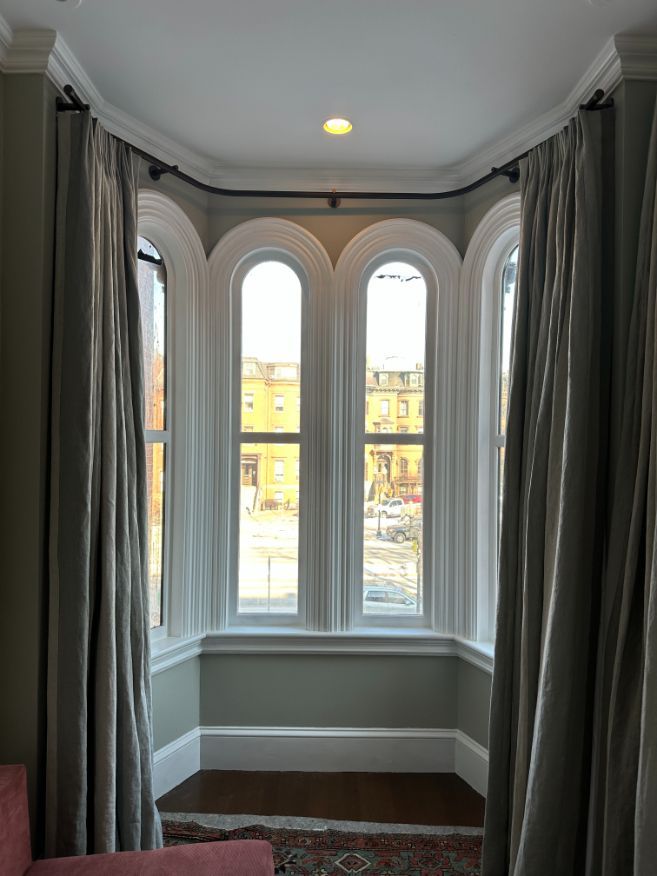
A bay window is typically made up of three panes projecting outward from a room. The center pane is fixed, and the side panes are angled. These windows expand interior space and often feature built-in seating.
What Is a Bow Window
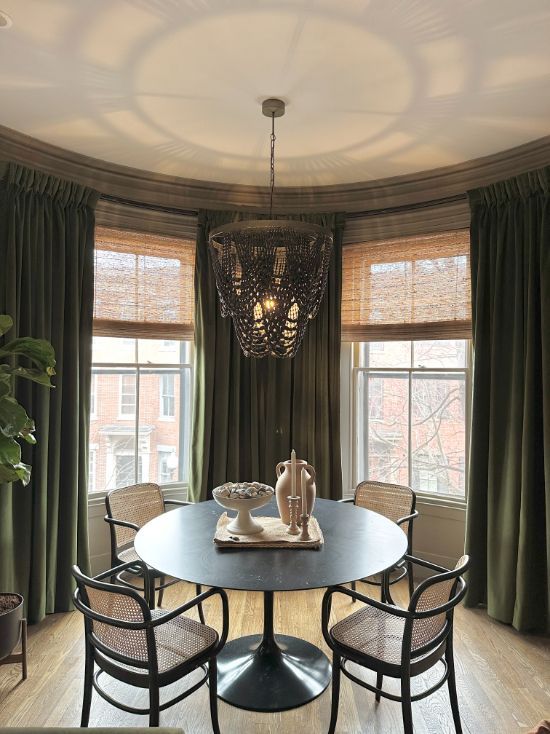
A bow window is a curved structure made of four or more panes set in a gentle arc. Bow windows give rooms a panoramic view and create soft light transitions throughout the day.
Why Their Shape Affects Drapery Choices
The architectural design affects how drapery should hang.
- Bay windows require angled rods or segmented hardware to fit the projection.
- Bow windows need curved or flexible tracks to follow the arc.
- Improper hardware can distort the fabric’s fall and make panels difficult to operate.
Light angles also differ. Drapery must be tailored to control brightness and protect furnishings from fading.
Key Considerations Before Choosing Drapery
Measure and Assess the Space
Accurate measurement is the foundation of good drapery design.
- Measure each window section individually.
- Note the projection depth and ceiling height.
- Factor in any window seats, radiators, or trim details.
- Allow space for “stackback,” the area where drapes rest when open.
For curved bow windows, measure along the arc instead of straight across. Precision ensures smooth operation once installed.
Light, View, and Privacy Needs
Each room has unique needs. Bedrooms require privacy and darkness, while living spaces need filtered light.
Layering is the solution.
- Sheer panels maintain natural light during the day.
- Blackout drapes or lined panels provide privacy at night.
- Combining both gives flexibility across seasons and times of day.
Style vs Function – Fabric, Texture, and Insulation
Fabric choice determines the mood and energy efficiency of the room.
- Linen or cotton for an airy, casual feel.
- Velvet or jacquard for a formal aesthetic.
- Blackout or thermal-lined fabrics to retain warmth and reduce glare.
For living rooms, the best fabrics for bay window drapery combine durability with light control. Simply Windows recommends materials that drape smoothly and resist fading from UV exposure.
Hardware and Rod or Track Systems
Hardware defines how well drapery fits your window’s architecture.
- Curved or flexible tracks work best for bow windows.
- Multiple rods joined at corner connectors suit bay windows.
- Ceiling-mounted tracks give a continuous flow and hide brackets.
- Choose rod finishes that complement interior design—brass for traditional rooms or matte black for modern spaces.
Header styles also matter. Ripplefolds glide easily on tracks, while pinch pleats give a structured look.
Drapery Styling Options for Bay and Bow Windows
Framing the Window with Floor-to-Ceiling Drapes
Floor-to-ceiling drapes emphasize the height of bay and bow windows. They elongate walls and make the room appear larger. Mount rods close to the ceiling to achieve this effect. Extend hardware onto the adjoining wall to allow more stackback space and let light in when open.
Layered Treatments: Sheers and Blackout Panels
Layering enhances both style and function.
- Sheers diffuse daylight while maintaining outside views.
- Blackout panels add privacy and insulation.
- Combining textures creates depth and dimension.
Use neutral sheers under rich-toned outer drapes for elegant contrast.
Stationary Decorative Panels vs Functional Curtains
In some rooms, drapes serve as visual accents rather than daily-use curtains.
- Stationary panels on both ends frame the window without full coverage.
- Functional curtains, when installed on tracks, allow smooth open and close operation.
- Decorative panels work best when paired with shades or blinds beneath for light control.
Track or Rod Solutions for Angled or Curved Bays
- For bay windows: use multiple straight rods connected with corner joints.
- For bow windows: install a flexible or curved track that mirrors the window’s arc.
- Extend the track onto side walls to increase stackback and minimize glass obstruction.
Simply Windows installers recommend mounting tracks close to the ceiling for a cleaner, more unified appearance.
Built-in Window Seat Styling and Drapery Integration
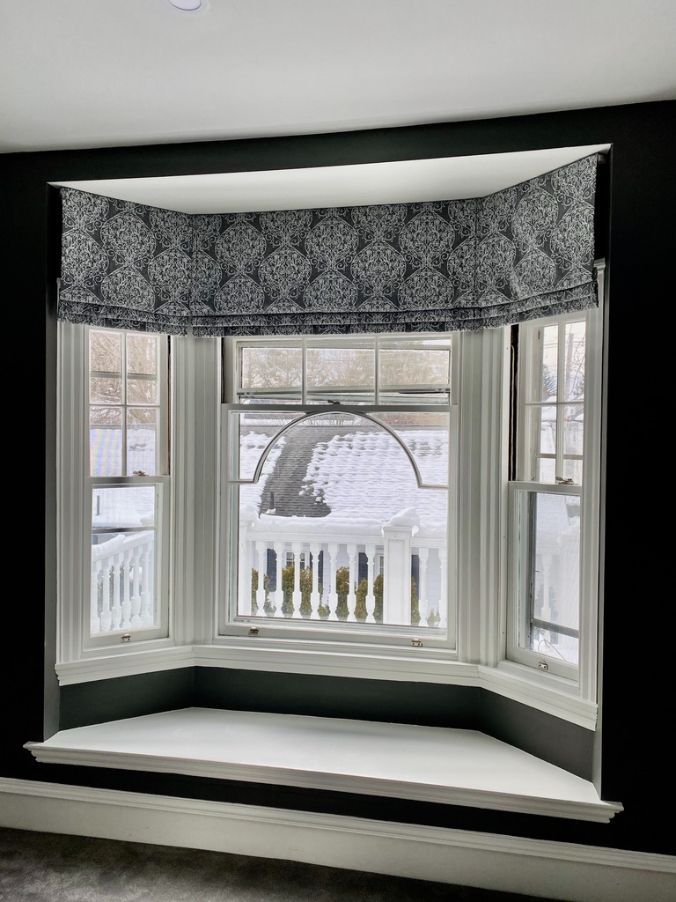
Bay windows often feature a bench or window seat. Drapery should complement—not obstruct—this built-in feature.
- Choose sill-length panels that clear the seat top.
- Mount hardware high to avoid cutting the vertical line of the window.
- Add cushions or fabric accents that coordinate with the drapes for cohesion.
Budget-Friendly vs Premium Solutions
Budget-conscious homeowners can choose pre-made panels with corner rods. For a tailored look, opt for custom-fitted drapery with curved tracks and handcrafted pleats.
Custom options provide:
- Perfect alignment with window shape.
- Longer lifespan due to quality stitching and lining.
- Professional finish matching the home’s design style.
Step-by-Step Installation Guide
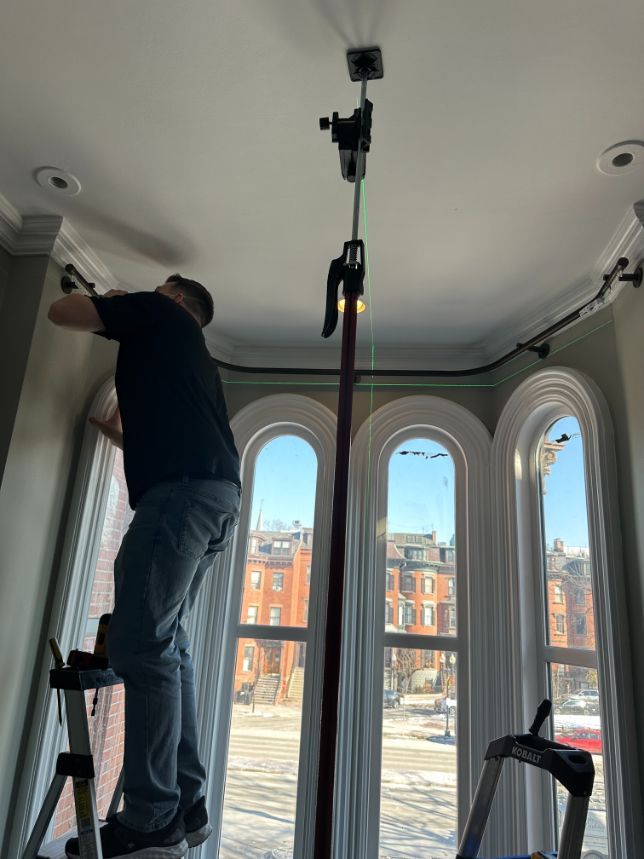
Tools and Materials You’ll Need
- Measuring tape
- Drill and wall anchors
- Level
- Ladder
- Curtain rods or flexible track system
- Brackets, hooks, and finials
- Drapery panels and rings or gliders
Measuring and Marking the Hardware
- Measure 4–6 inches above the window frame for rod placement.
- Mark bracket points at equal distances.
- Extend rods beyond the window edge to allow full light entry when drapes are open.
Installing Rods or Tracks for Angled or Curved Windows
- For bay windows, mount each rod segment on its respective angle using corner connectors.
- For bow windows, attach a flexible track that follows the window’s curve precisely.
- Secure all brackets into wall studs for support.
Hanging the Drapes and Finishing Touches
- Hang panels evenly with equal pleat spacing.
- Adjust hem length: floor-grazing for a tailored look or puddled for luxury.
- Add tiebacks or holdbacks to pull drapes off the glass when open.
- Steam out creases once hung for a polished finish.
Maintenance and Care Tips
Drapery in bay and bow windows receives direct sunlight, so maintenance is key.
- Vacuum regularly using a soft brush attachment.
- Rotate panels occasionally to distribute fading evenly.
- Wash or dry clean as recommended by the fabric type.
- Lubricate track gliders or rod rings to maintain smooth movement.
Bay and Bow Window Drapery Ideas Gallery
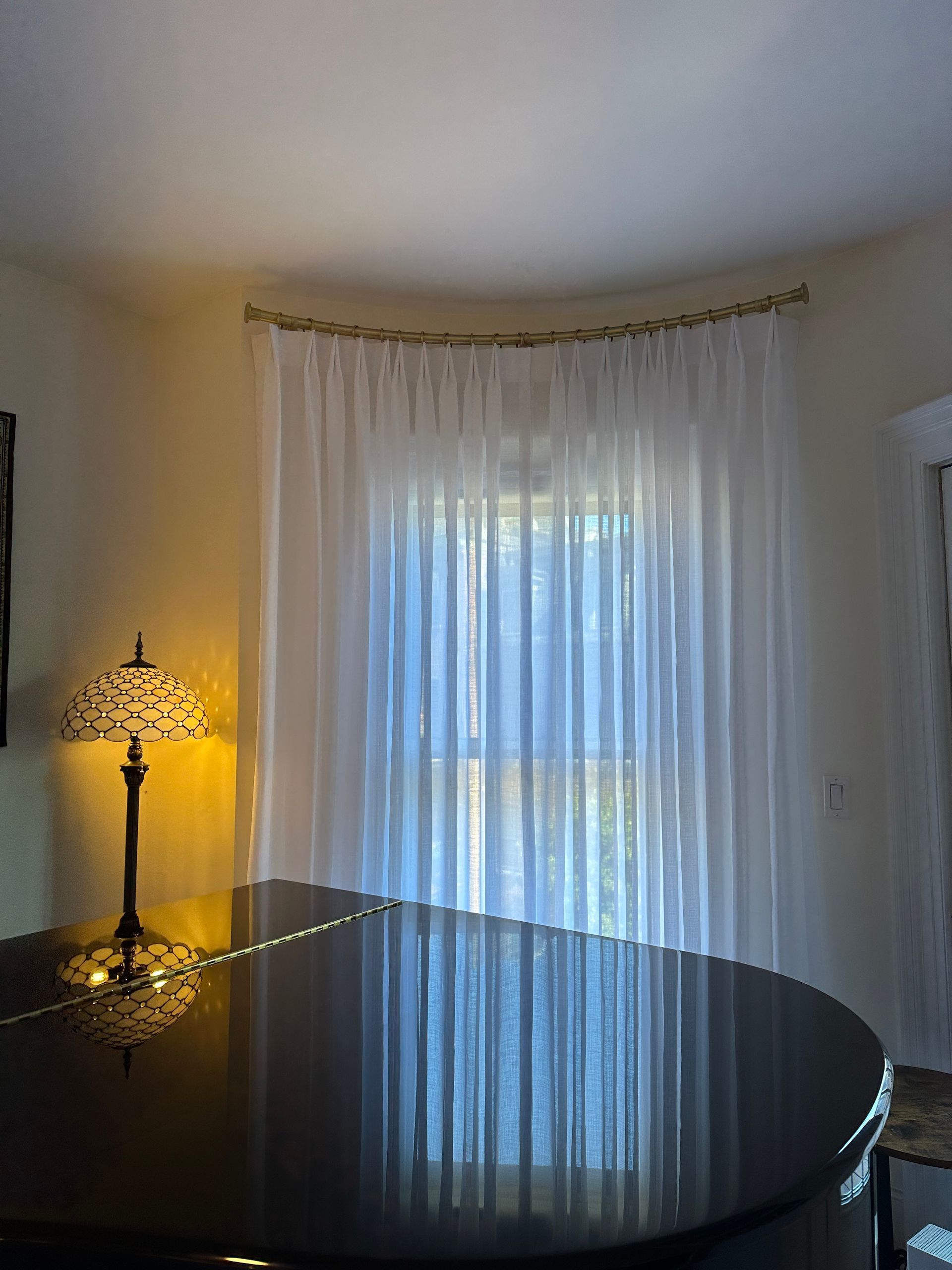
- Living Room Elegance – Floor-to-ceiling velvet drapes on a curved track create depth and luxury.
- Coastal Comfort – Linen sheers paired with light-filtering liners bring an airy beach feel.
- Modern Minimalism – Ripplefold panels in neutral tones blend with clean architectural lines.
- Traditional Warmth – Pleated drapes with tassel tiebacks frame a window seat.
- Compact Breakfast Nook – Stationary side panels with Roman shades beneath for practicality.
Simply Windows frequently styles these
bay window decor ideas and design combinations for clients looking to balance beauty, functionality, and comfort.
Common Mistakes and How to Avoid Them
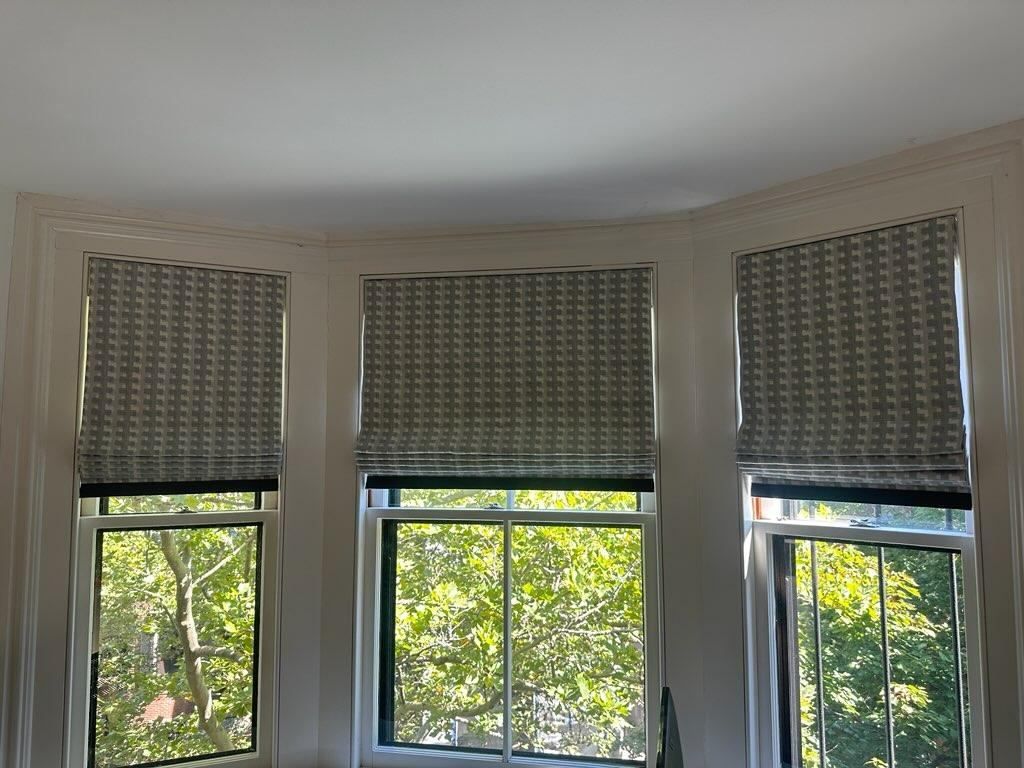
- Hanging rods too low, which shortens the perceived window height.
- Using heavy fabrics without proper support hardware.
- Ignoring window seat depth, causing drapes to bunch awkwardly.
- Failing to account for stackback, resulting in blocked natural light.
- Choosing fabrics that clash with the room’s palette or furniture.
Preventing these errors ensures your drapery feels intentional, not improvised.
FAQs – Drapery for Bay and Bow Windows
