
Outdoor Patio Shades for Cooler New England Summers
TLDR;
Outdoor
patio shades for cooler New England summers help reduce heat, block UV rays, and make patios more comfortable while handling the region’s unique climate challenges. The best solutions include retractable awnings, solar screens, and pergola shades that provide both flexibility and durability. Choosing the right materials and designs ensures year-round benefits for Massachusetts homes and businesses.
Outdoor Shade Solutions Massachusetts
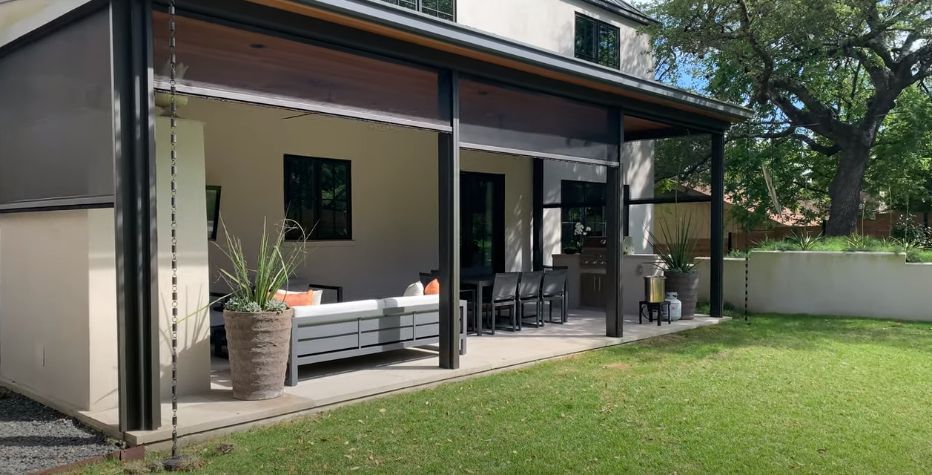
Outdoor patio shades are essential in Massachusetts because the climate brings both strong summer sun and cooler evenings. Homeowners and businesses want outdoor spaces that stay comfortable during the day but adaptable as weather shifts. Shades designed for the region provide:
- Reduced heat buildup on patios
- UV protection for skin and furniture
- Better airflow and comfort without sealing off spaces
- Flexible coverage that adapts to sunny or cloudy conditions
Simply Windows often works with clients across Massachusetts who want shades that balance comfort and durability.
Understanding the New England Climate & Shade Needs
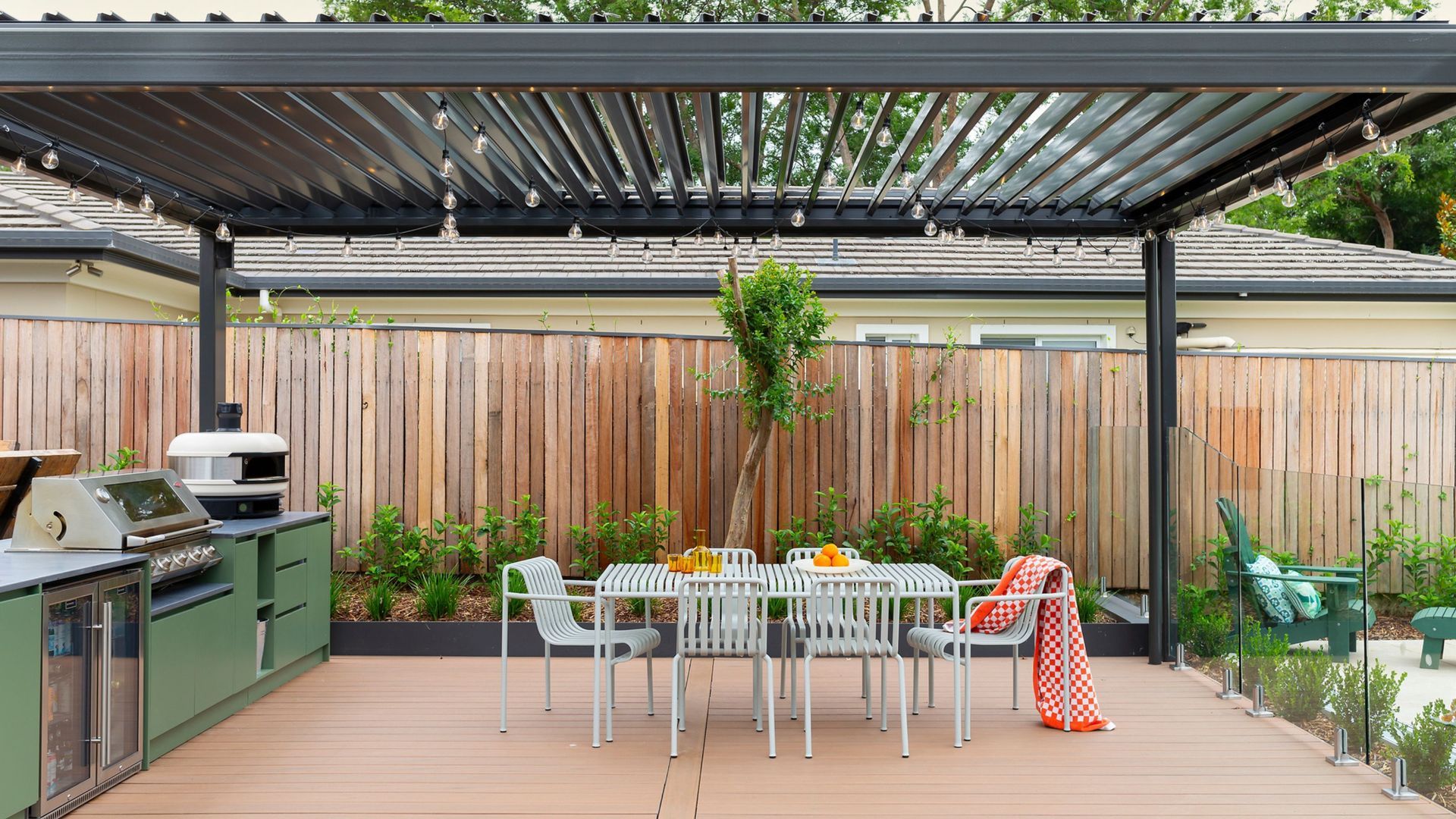
Climate Patterns in Massachusetts & New England
Summers in New England are cooler than many other regions, but they still bring humidity, direct sun, and heat spikes. Coastal areas like Cape Cod deal with salt air, while inland towns face heavy rain and wind.
- Average summer highs range in the 70s and 80s
- Humidity levels create muggy afternoons
- Evening temperatures drop quickly, so flexibility in shading is important
Key Stressors for Patio Areas
Outdoor spaces in Massachusetts face more than sun exposure. Property owners must consider:
- UV radiation fading fabrics and furniture
- Strong winds damaging lighter structures
- Rain pooling on improperly installed covers
- Occasional early cold snaps or late frosts
Why Generic Shades Don’t Always Work Here
Shades designed for warmer climates might not perform well in Massachusetts. A product that handles sun but not wind or heavy rain will fail quickly. That is why selecting shades tailored for the New England environment is critical.
Types of Outdoor Shades & Structures
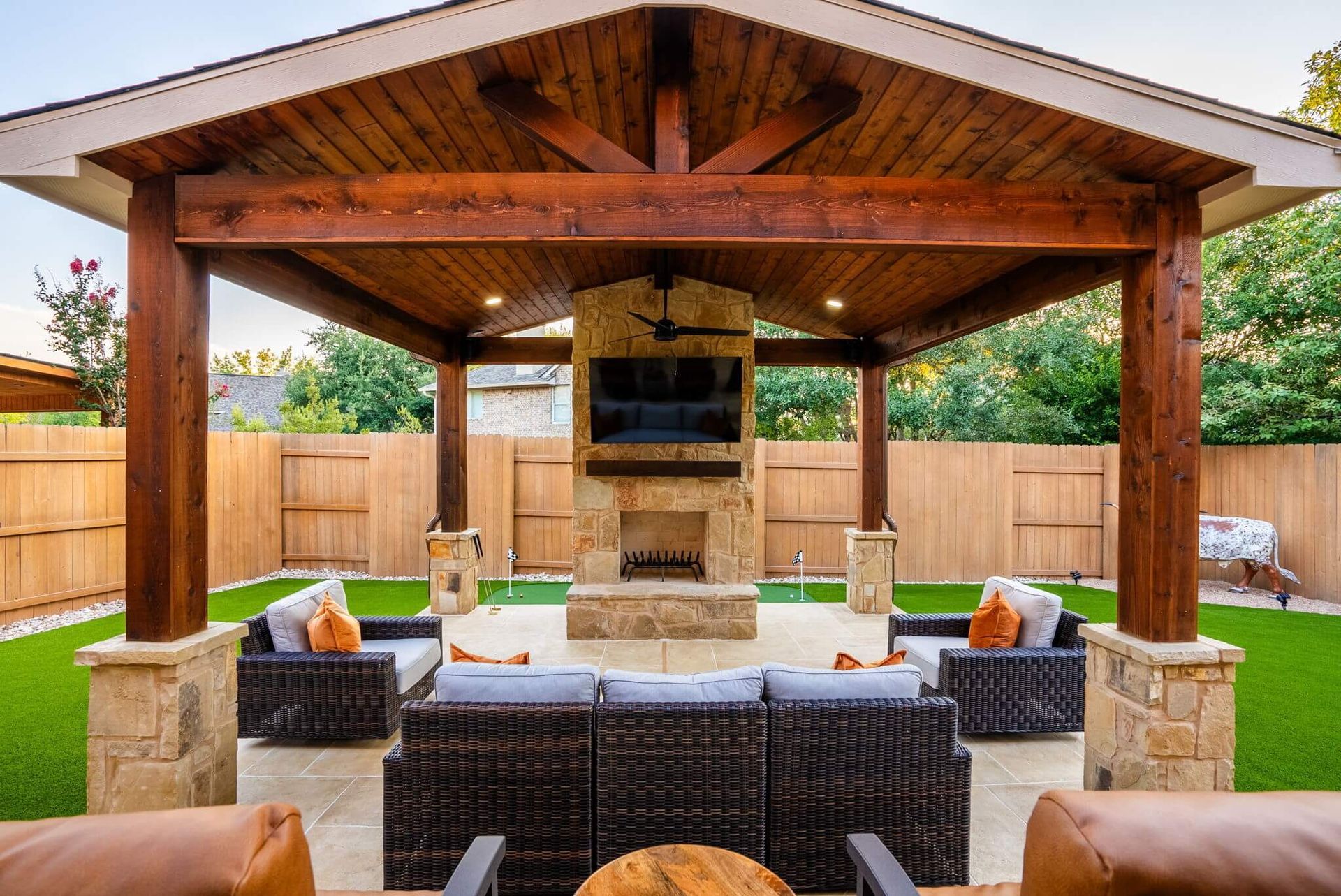
Retractable vs Fixed Shades
Retractable shades allow control over coverage. On cooler evenings you can retract them, while hot midday hours benefit from full extension. Fixed shades work best for homeowners who want constant protection but they lack adaptability.
Motorized Shades and Automation
Motorized retractable shades are growing in popularity across New England. They provide:
- Remote or smart-home operation
- Adjustable coverage with little effort
- Integration with wind and sun sensors
This makes them ideal for homeowners in Boston or Cape Cod who want convenience and protection.
Shade Sails, Cantilevers, Pergolas with Shade Covers
- Shade sails are affordable and flexible but require secure mounting against wind.
- Cantilever umbrellas give adjustable shade but are best for small patios.
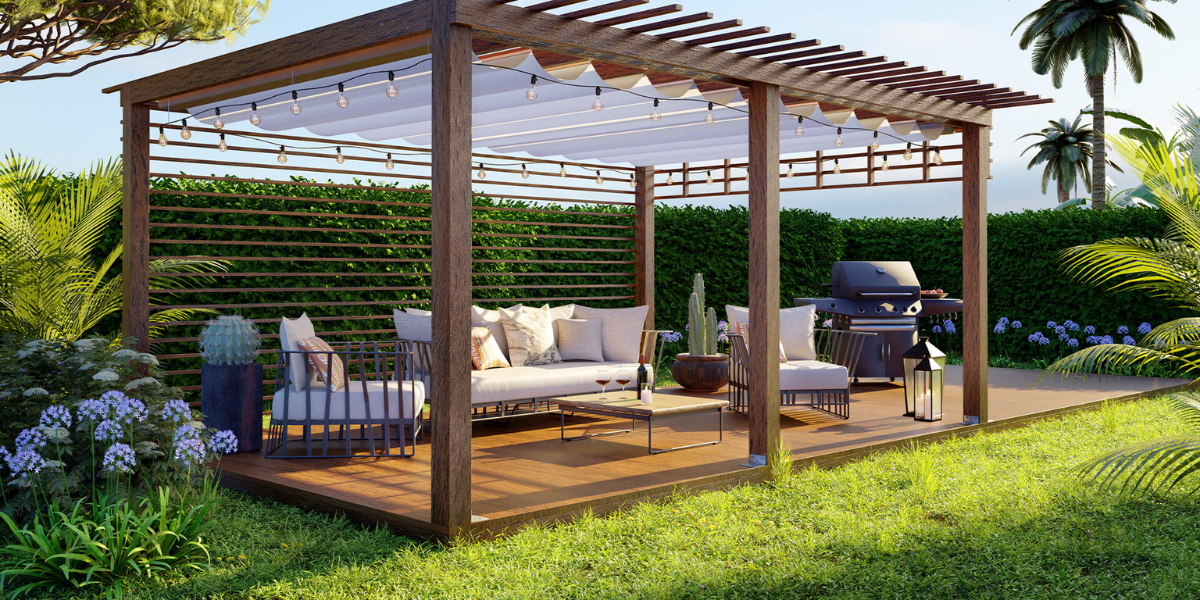
- Pergolas with shade covers add structure and style, while offering long-term durability.
Solar Screens & Fabric Shades
Solar mesh shades reduce glare and block UV rays while maintaining airflow. They are a strong choice for patios in Western Massachusetts where summer evenings stay cooler.
Comparison Overview
- Retractable: Flexible, adaptable, good for changing weather
- Fixed: Durable, consistent, less adaptable
- Motorized: High convenience, more investment
- Sails/umbrellas: Cost-effective, less durable in wind
- Pergolas: Stylish, strong, often higher cost and permanent
Material & Design Considerations for Massachusetts Homes
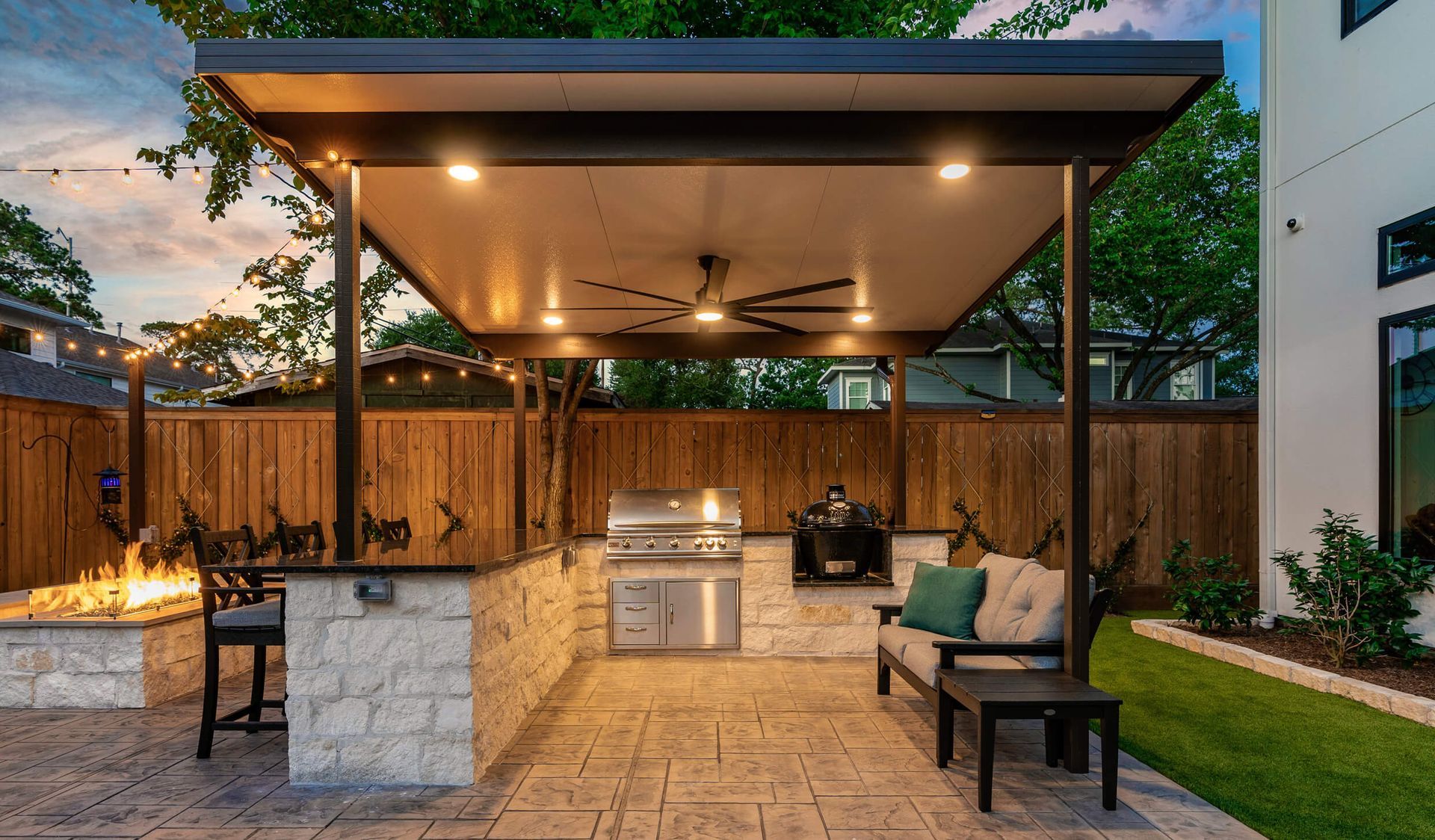
Fabrics & UV / Fade Resistance
Choose fabrics like acrylic or solar mesh with high UV resistance. Brands such as Sunbrella are popular for withstanding fading.
Wind Resistance, Snow Load & Durability
Frames and fabrics must resist gusts that are common across New England. Aluminum frames perform better than wood against rot and corrosion.
Frame Materials
- Aluminum: Lightweight and rust-resistant
- Steel: Strong but needs anti-corrosion coating
- Composite: Durable but often more expensive
Color, Openness Factor, Light Transmission
Darker shades absorb more heat but provide stronger glare reduction. Lighter shades brighten the space while blocking less heat. The openness factor of solar screens determines how much light and visibility is retained.
Maintenance & Weathering Over Time
Regular cleaning and seasonal inspection keep shades functional. Storing fabric components indoors during winter increases lifespan.
Site Planning & Placement Strategies
Analyzing Sun Paths & Shade Zones
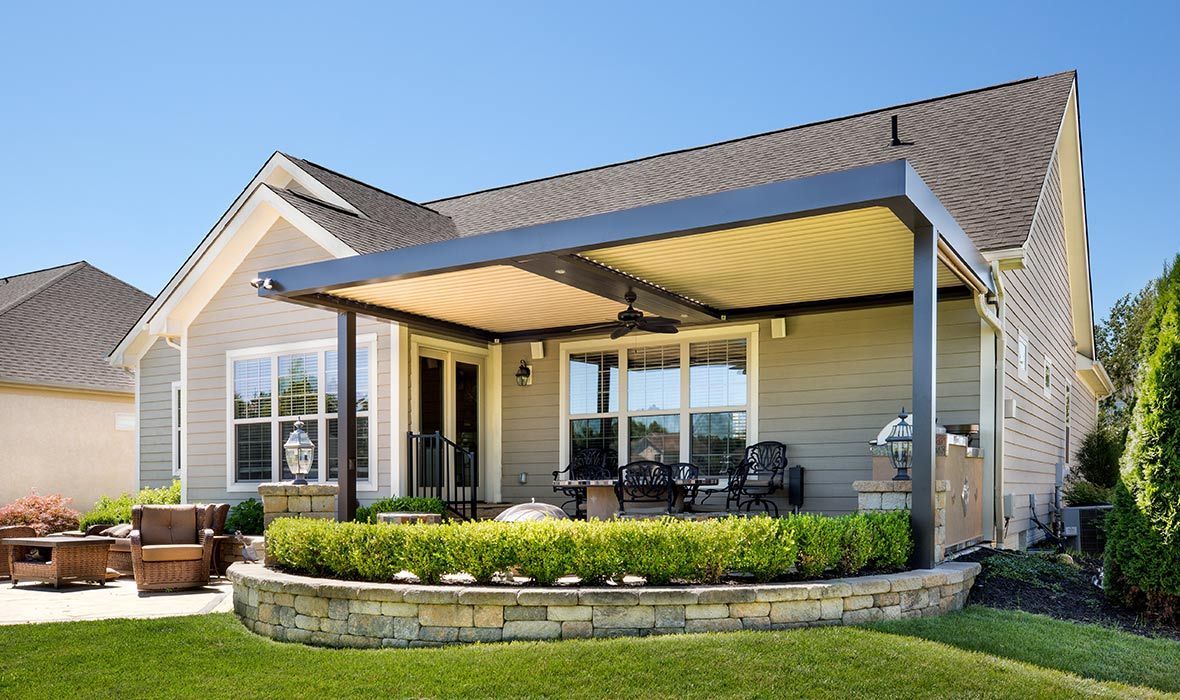
New England sun angles shift throughout the year. Summer patios need shades oriented to block southern and western exposure.
Orientation of Patios
- South-facing: Needs heavier shading during midday
- East-facing: Morning sun protection
- West-facing: Evening glare reduction
Optimal Mounting & Support Placement
Secure installation is critical in Massachusetts. Anchoring into structural elements ensures shades withstand storms.
Integration with Existing Architecture & Landscape
Shades should match the design of the home and surrounding landscape. For example, a Cape Cod coastal cottage benefits from lighter colors that blend with sandy tones.
Dealing with Obstacles
Trees, windows, and roof overhangs affect sun exposure. Proper site evaluation avoids wasted coverage.
Installation, Permits & Costs
DIY vs Professional Installation
DIY kits exist, but most homeowners in Massachusetts benefit from professional installation. Professionals ensure structural safety and compliance with local requirements.
Typical Considerations in Massachusetts
Cost depends on size, fabric, motorization, and structural support. While exact pricing varies, property owners should expect higher investment for motorized and custom pergola systems.
Permits, Local Codes, HOA Constraints
Some Massachusetts towns require permits for permanent shade structures like pergolas or awnings. HOAs may have restrictions on color and design.
Seasonal Removal & Storage
Fabric shades and sails often need removal before winter storms. Retractable systems should be secured and stored if possible.
Energy, Comfort & ROI Benefits
Heat Reduction Metrics
Studies show outdoor shades reduce patio surface temperatures by 10–15 degrees. This makes outdoor dining and entertaining more comfortable in July and August.
Energy Savings
By blocking solar heat before it reaches windows, patio shades help lower indoor cooling needs. This reduces strain on air conditioning systems in homes across Massachusetts.
UV Protection & Furniture Preservation
UV-resistant fabrics extend the life of outdoor furniture, flooring, and decking by preventing fading and cracking.
Extended Outdoor Use
Patio shades extend usability into early mornings and late evenings. Families and businesses gain more time outdoors without discomfort.
Frequently Asked Questions & Myths
Are motorized shades worth it in Massachusetts?
Yes. Motorized shades save time and integrate with smart systems. They are valuable for larger patios or frequent use.
Can a retractable shade survive snow?
Retractable shades should be closed during winter. Leaving them open risks damage from snow load.
Do I need to remove outdoor shades in winter?
Fabric-based shades should be removed or stored. Permanent structures like pergolas remain but need inspection before spring use.
Will shade reduce my home’s heat gain?
Yes. By blocking direct sun, shades lower cooling needs and improve indoor comfort.
How to Choose & Next Steps
Choosing Based on Budget, Usage, Aesthetics
- Smaller patios: Umbrellas or shade sails
- Larger patios: Retractable or motorized systems
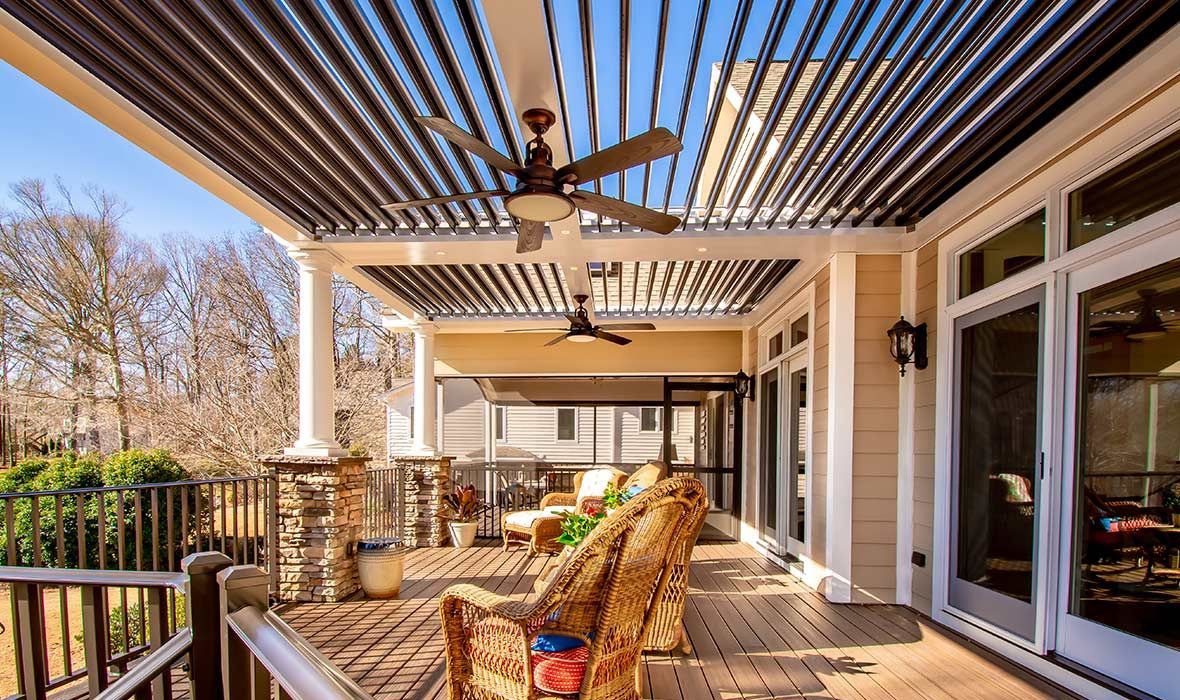
- Long-term investment: Pergolas with integrated shading
Questions to Ask Vendors and Installers
- What fabric durability ratings are available
- How wind and snow resistance are tested
- What warranties are offered for frames and fabrics
Checklist Before Buying or Measuring
- Measure patio area accurately
- Identify sun exposure direction
- Check HOA or town regulations
- Compare different material and motorization options
Recommended Brands and Local Contractors in Massachusetts
Simply Windows recommends trusted brands like Sunbrella for fabrics and Somfy for motorization. Local Massachusetts installers provide consultation and secure installation.
Seasonal Maintenance Tips for New England Homes
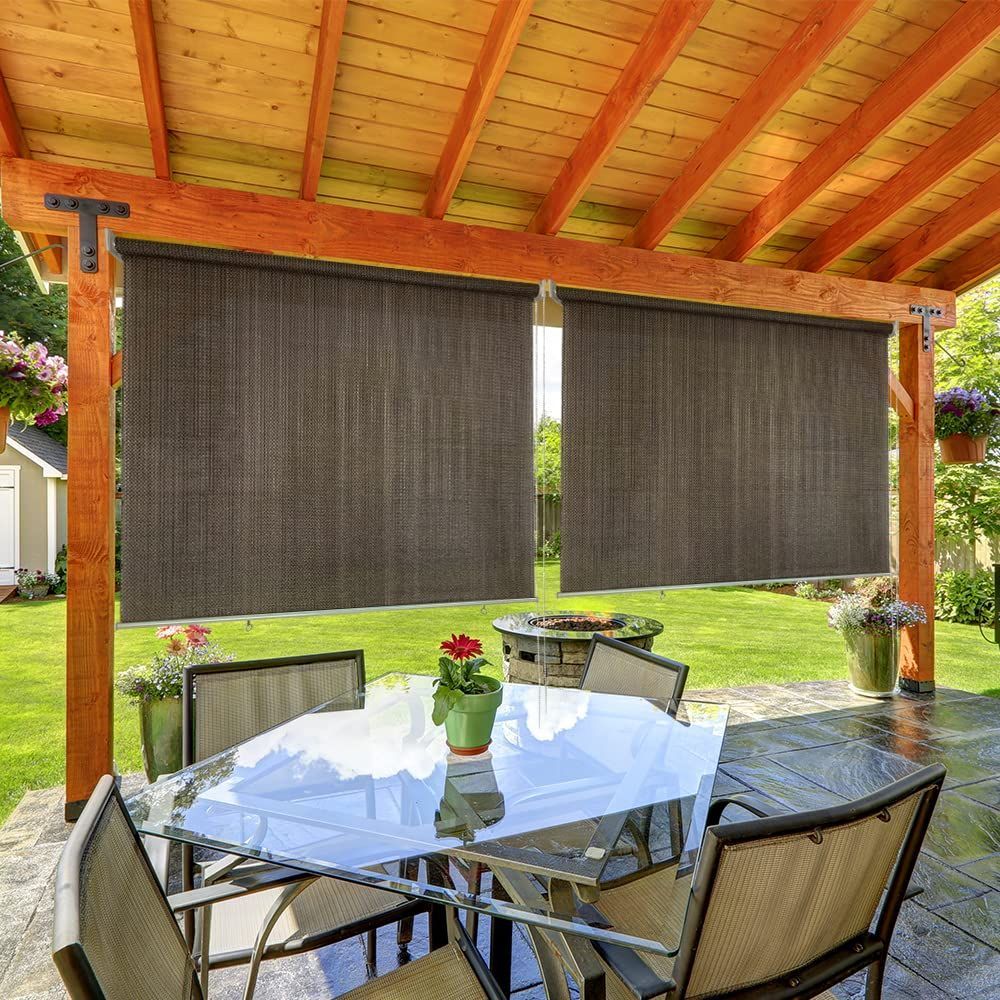
- Clean fabrics regularly with mild soap and water
- Inspect frames before and after storm season
- Remove and store non-permanent covers in winter
- Lubricate moving parts of motorized systems annually
Future Outlook for Outdoor Shade Systems in New England
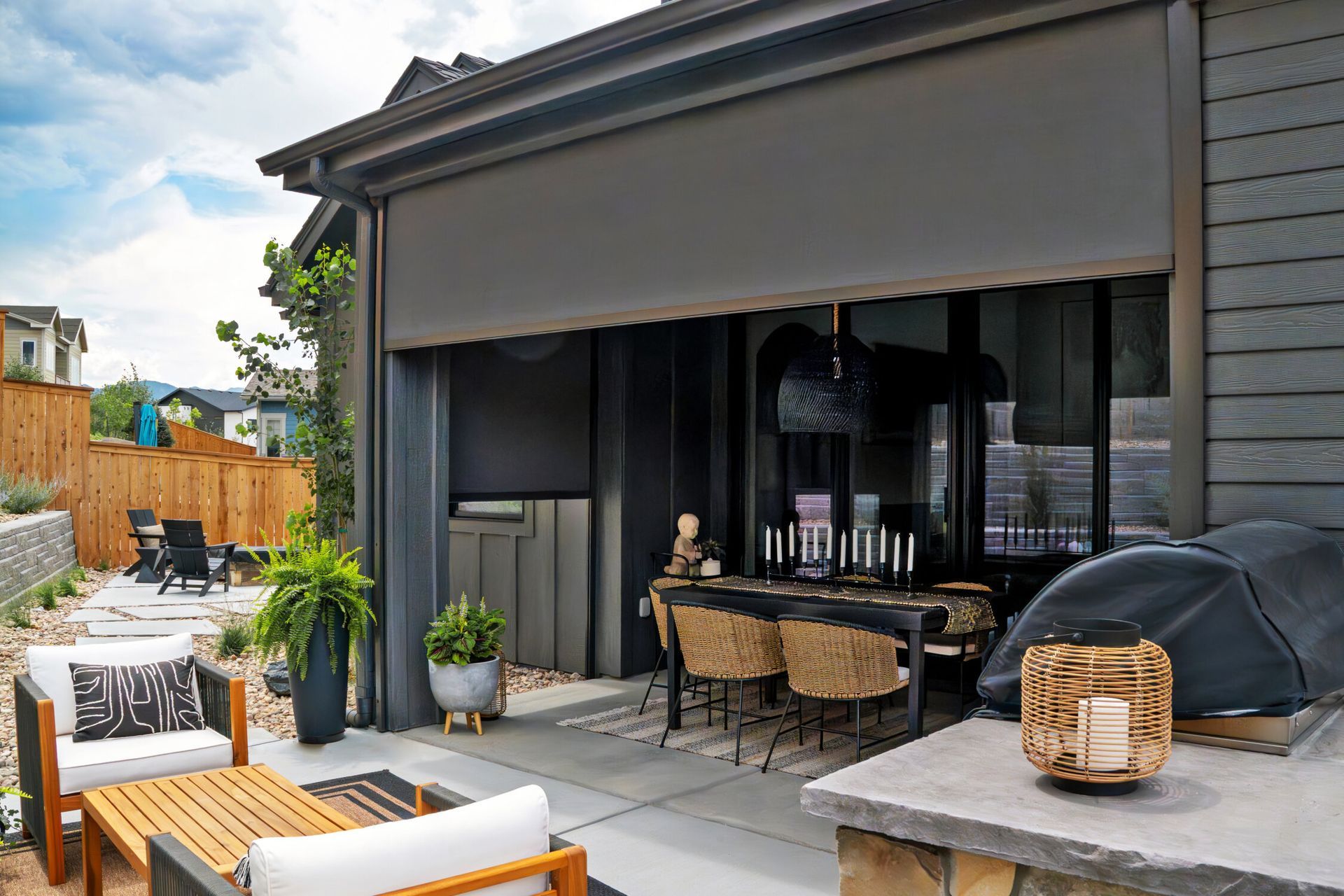
Outdoor shade technology is advancing with smart sensors, eco-friendly fabrics, and energy-saving designs. Massachusetts homeowners will see more options that combine sustainability with comfort. Businesses adding shaded patios will also benefit from longer outdoor service seasons.
Patio Shade Planning with Simply Windows
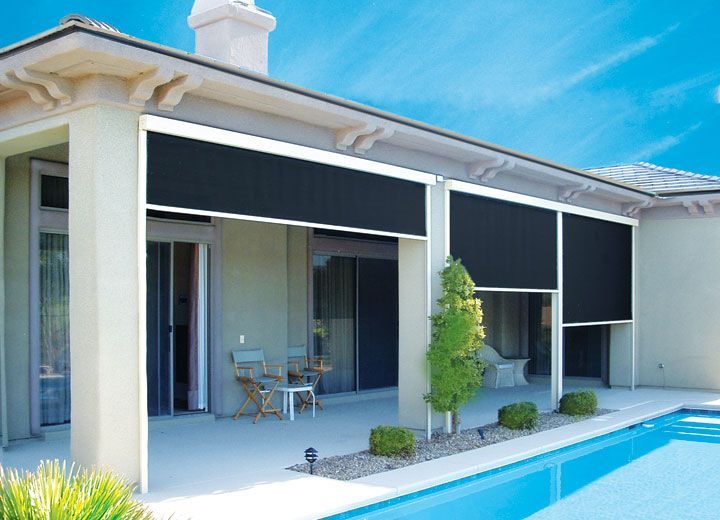
Outdoor patio shades for cooler New England summers are not only about comfort but also about long-term durability and efficiency. Simply Windows works with Massachusetts homeowners and businesses to design solutions that fit the unique climate and lifestyle needs of the region. By selecting the right type, material, and placement strategy, you maximize the value of your outdoor living space.
