
Best Window Treatments for Large Boston Windows
What Are the Best Window Treatments for Large Windows in Boston?
The best window treatments for large windows balance privacy, glare control, ease of use, and proportion without taking away from the architecture.
In Boston, windows are often a major part of the room. Tall openings can make ceilings feel higher. Bay and bow windows bring dimension to a façade. Large panes of glass can fill a living space with natural light.
Those same windows can also create design challenges.
At Simply Windows, Kendra Weldon looks at the window as part of the entire room. With a 20-year interior design background, she considers scale, furniture placement, natural light, privacy, and the architecture before recommending a custom window treatment.
The goal is not simply to cover a large window. It is to make the treatment feel as though it belongs there.
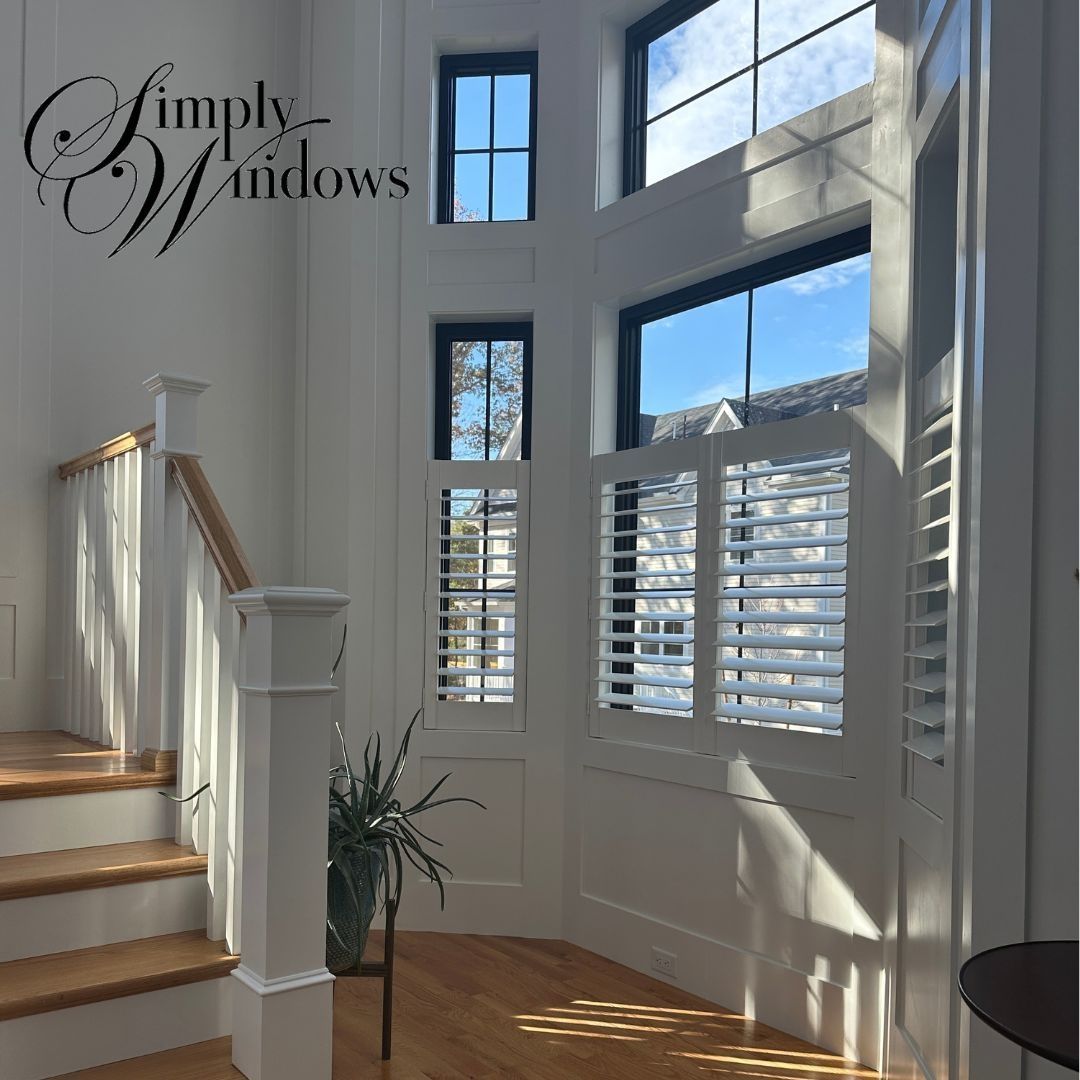
What Window Treatments Work Best on Large Windows?
Large windows often work well with custom drapery, roller shades, cellular shades, Roman shades, sheer shadings, or motorized window shades.
The right choice depends on what the window needs to do.
A street-facing living room may need privacy during the day without losing all of its natural light. A primary bedroom may need greater room darkening. A tall stairway window may need a treatment that can be operated without reaching it manually.
Large windows also require attention to proportion.
A treatment that looks appropriate on a standard window can feel undersized on a much larger opening. Kendra considers the height and width of the glass, ceiling height, surrounding walls, and nearby furniture.
That design perspective is especially important in Boston townhomes, where architectural details often deserve to remain part of the visual focus.
How Do You Cover Tall Windows Without Making the
Room Feel Heavy?
Tall windows can be covered without making the room feel heavy by choosing treatments with clean proportions and allowing the architecture to remain visible.
The first instinct may be to add a lot of fabric because the window is large. More fabric is not always better.
Custom drapery can be beautiful on tall windows when the fullness, hardware, and fabric weight suit the room. A lighter or more tailored fabric may add softness without overwhelming the wall.
Roller shades can take a different approach. When raised, they can leave much of the glass visually open. This can work well in rooms where the view or architecture should remain prominent.
Sometimes the right solution is a combination.
A streamlined window shade can handle privacy and glare, while stationary drapery panels add texture and help frame the window.
The layers have different jobs, which can make the overall design feel more intentional.
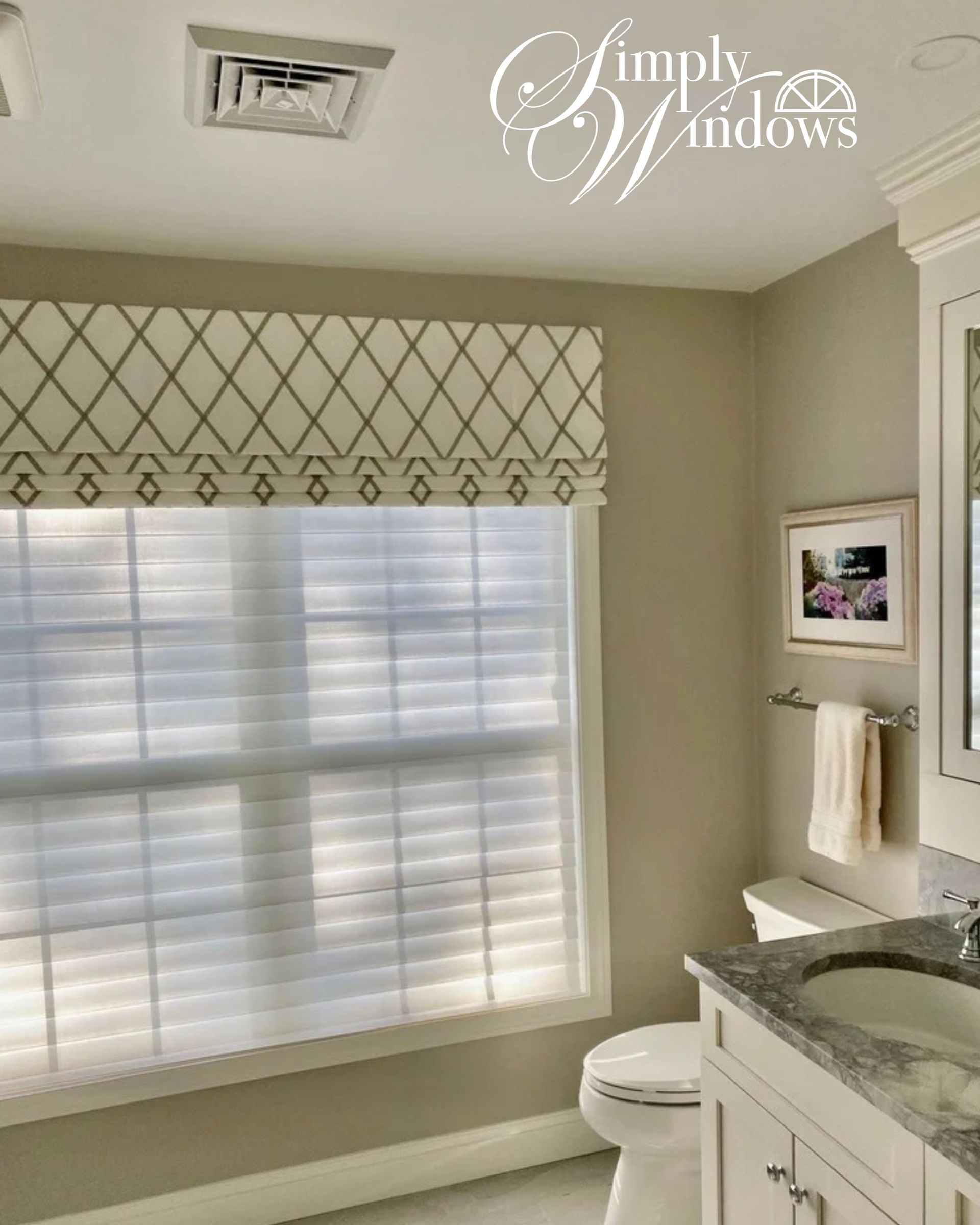
Are Motorized Shades a Good Choice for Large Windows?
Motorized shades can be a very practical choice for large, tall, or hard-to-reach windows.
The value is simple: a window treatment should be easy to use.
Large windows may require several shades across one wall. Tall windows may sit well above comfortable reach. In those cases, manual operation can become inconvenient.
Motorization can allow multiple treatments to operate more easily and may help create a cleaner appearance.
Simply Windows works with Hunter Douglas PowerView and Lutron when motorization suits the project.
Kendra still looks at motorization as a design and usability decision rather than an automatic upgrade.
The window location, accessibility, number of treatments, and how often they will move all matter.
Technology should make the room easier to live in.
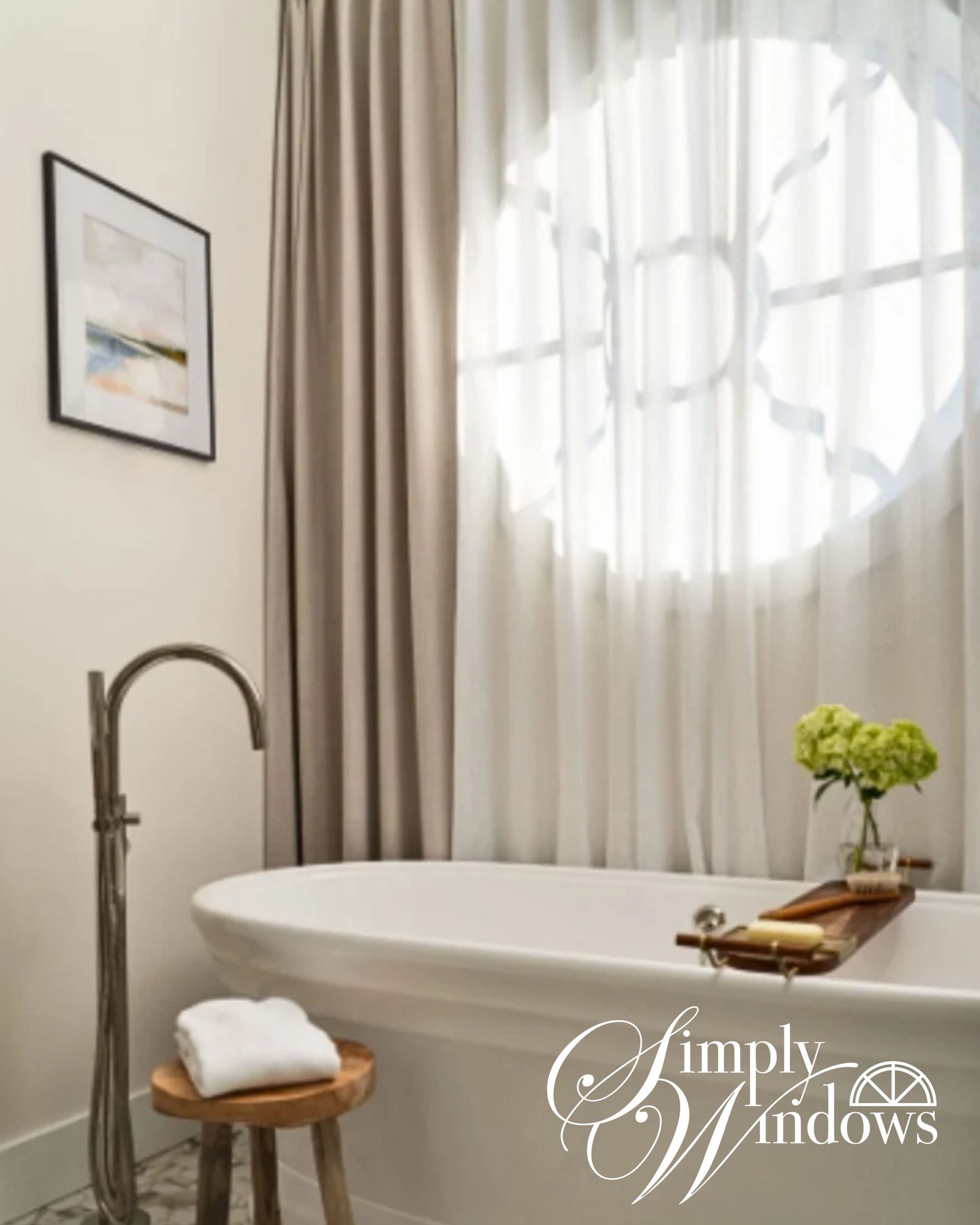
How Can You Get Privacy Without Losing Natural Light?
You can maintain privacy without completely losing natural light by choosing a treatment that filters or redirects light rather than blocking the entire window.
This is especially important in Boston.
A townhome may sit close to the sidewalk or neighboring properties. A beautiful large window can bring in plenty of daylight while also creating clear sightlines into the room.
The answer does not always have to be a fully closed treatment.
Depending on the space, Kendra may consider:
- Light-filtering window shades
- Sheer shadings
- Roman shades
- Shutters
- Drapery paired with a functional window shade
The time of day also matters.
A room may need more privacy in the evening but feel completely comfortable with an open or filtered treatment during the day.
Flexible window coverings allow homeowners to respond to changing light and privacy needs instead of keeping a large window covered all the time.
How Do You Treat Large Windows in Historic Boston Homes?
Large windows in historic Boston homes should be treated in a way that provides modern function without hiding valuable architectural details.
Beacon Hill brownstones, for example, can have tall, narrow windows and older frames that are not perfectly square. Other Boston homes may feature original casing, deep trim, or unusual proportions.
The treatment should respond to those conditions.
A Roman shade may provide privacy while leaving much of the original trim visible. Drapery can frame a tall opening instead of covering the woodwork.
Shutters may be worth considering when a more architectural treatment suits the room.
There is no reason to force every older window into the same design.
Custom window treatments allow Kendra to work with the character of the home rather than designing around standard dimensions.
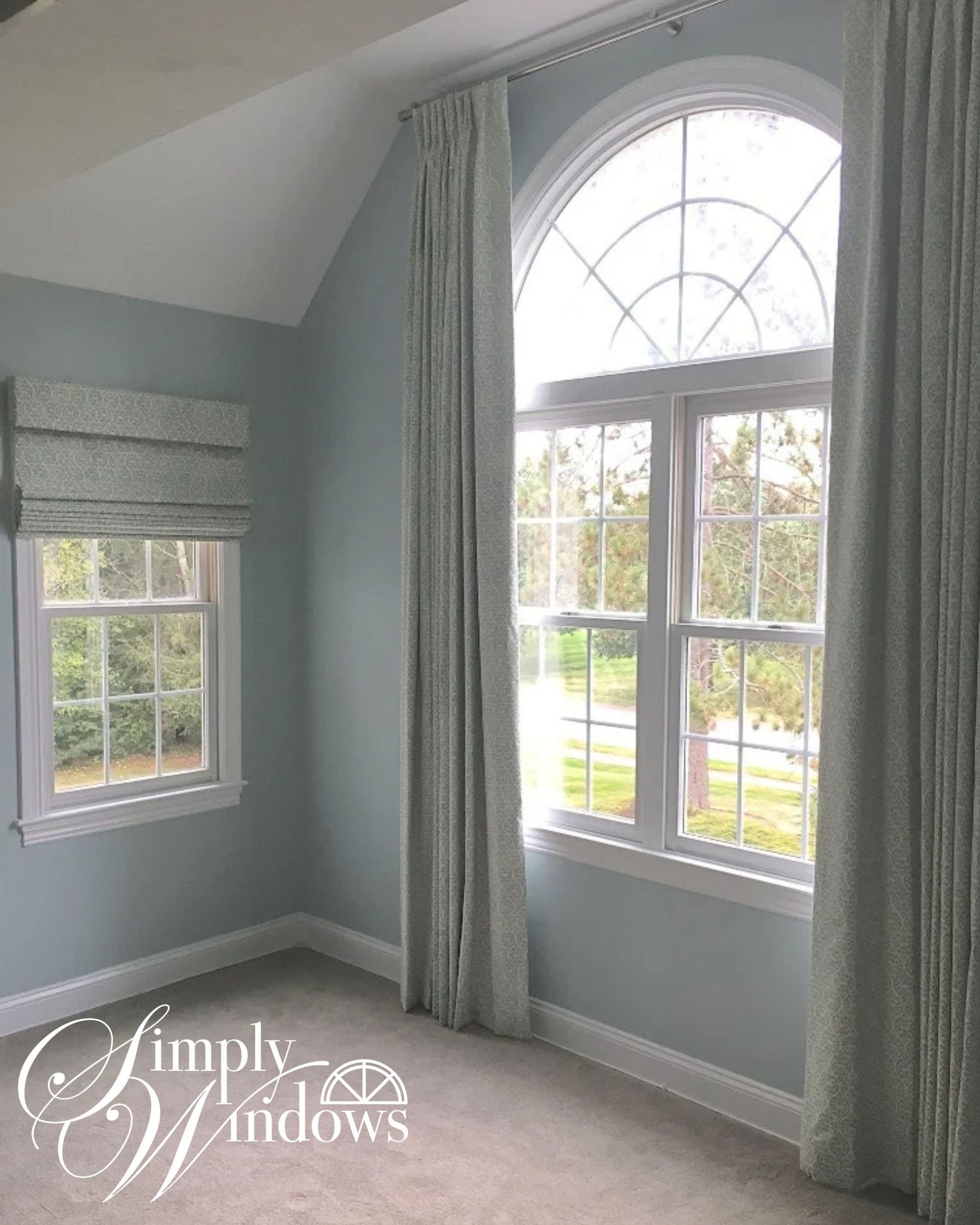
Why Does Custom Measuring Matter More on Large Windows?
Custom measuring matters on large windows because even small fitting problems become more noticeable as the opening gets bigger.
Width, height, mounting depth, trim, hardware, handles, and nearby architecture all need to be considered.
Older Boston homes create another challenge because openings may not be perfectly square.
Large treatments can also require more planning around how individual shades meet or how drapery hangs across a wider span.
Simply Windows handles professional measuring as part of its White Glove Installation process.
That allows the design, product, and installation decisions to work together from the beginning.
How Does Simply Windows Design Treatments for
Large Boston Windows?
Simply Windows designs large-window treatments by starting with how the room needs to look and function, then choosing the products that support that goal.
Kendra Weldon considers the architecture, privacy, sunlight, furniture, view, and daily use of the room during the design process.
For one Boston townhome, that might mean tailored Roman shades on tall historic windows. Another home may need motorized shades across a modern wall of glass. A large primary bedroom could benefit from layered shades and custom drapery.
Simply Windows serves Boston, Westborough, MetroWest, and surrounding Greater Boston communities with custom window treatments, professional measuring, and White Glove Installation.
Large windows do not need to become a design problem. With the right proportions and the right treatment, they can remain one of the strongest features in the room.
Ready to transform your windows? Request your free in-home consultation.
Frequently Asked Questions
Q: What are the best window treatments for very large windows?
A: Custom drapery, roller shades, cellular shades, Roman shades, sheer shadings, and motorized shades can all work well. The best option depends on privacy, glare, window size, architecture, and daily use.
Q: Are motorized shades worth considering for tall windows?
A: Yes. Motorized shades can make tall or hard-to-reach window treatments easier to operate, especially when several shades need to work together.
Q: How can I cover a large window without blocking the view?
A: Consider streamlined shades or treatments that can open fully when privacy or glare control is not needed. Drapery can also frame the glass rather than permanently covering it.
Q: What window treatments work best for Boston bay windows?
A: Custom Roman shades, other window shades, shutters, or drapery may work well depending on the angles, room design, furniture, and amount of privacy needed.
Q: Do all the windows in a Boston townhome need to match?
A: No. Window treatments should coordinate, but they do not need to be identical. Related colors, fabrics, textures, or hardware can create continuity while allowing each window to function differently.
