
How to Prevent Wrinkles in Drapery: Tips for Long-Lasting Elegance
By Kendra Weldon, owner and lead designer at Simply Windows in Westborough, MA
Drapery plays a crucial role in enhancing the aesthetic appeal of your home, framing your windows with elegance and style. However, wrinkles and creases can detract from their beauty, leaving them looking unkempt and neglected. Preventing wrinkles in drapery isn’t just about maintaining appearances—it’s about preserving the functionality and lifespan of your window treatments.
Short answer: To prevent wrinkles in drapery, choose a wrinkle-resistant fabric, hang panels on sturdy hardware as soon as they arrive, store them rolled or loosely folded, and consider a lining or hem weights. Steaming lightly while the panels hang helps folds settle.
Understanding Fabric Types: The Foundation of Wrinkle Prevention
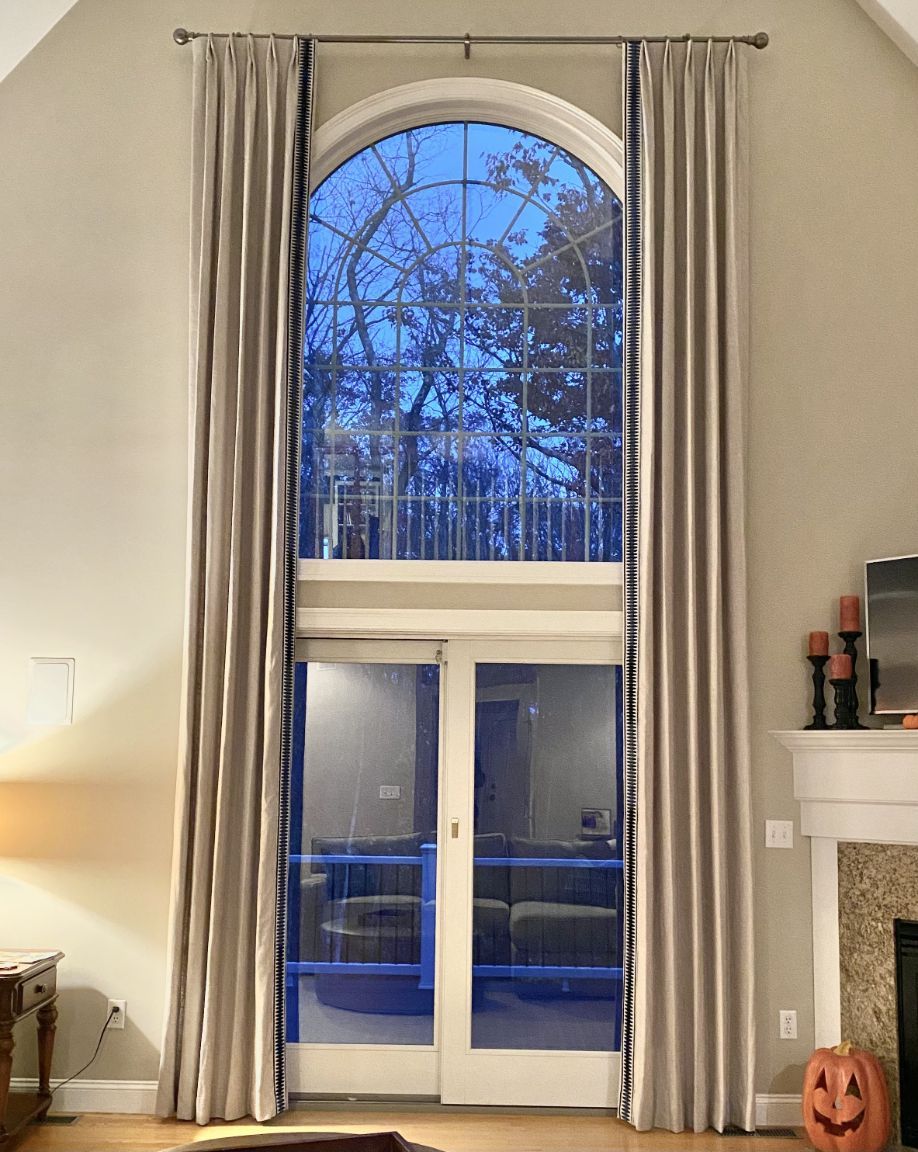
Choosing the right fabric is your first line of defense against unsightly wrinkles. Different fabrics have varying levels of wrinkle resistance, and understanding these differences can save you time and effort in maintenance.
Which Fabrics Are Most Wrinkle-Prone?
Natural fibers such as cotton and linen are more susceptible to wrinkles due to their lack of elasticity. In contrast, synthetic blends like polyester and nylon are more resistant and maintain a smoother appearance over time. If you're unsure which fabric is right for your needs, explore our Best Drapery Fabrics Guide to find the perfect balance of style, durability, and wrinkle resistance.
Opt for Wrinkle-Resistant Options
If wrinkle-free curtains are your goal, consider fabrics specifically designed for durability and ease of care. Materials with built-in wrinkle resistance not only look polished but also reduce the need for frequent steaming or ironing.
Tip: Always check the care instructions provided by the manufacturer before selecting or maintaining any fabric. Following these guidelines helps avoid damage or wear.
Proper Drapery Installation: Hanging Techniques Matter
How you install your drapery can significantly impact its appearance. Wrinkles often form due to improper hanging or inadequate support.
Use the Right Hardware

Invest in sturdy curtain rods and brackets that can handle the weight of your drapery without sagging. Uneven support leads to creases that can be difficult to smooth out.
Hang Immediately After Unpacking
Many wrinkles form during storage or shipping. To combat this, hang your drapes as soon as they arrive. Gravity naturally pulls out minor wrinkles over time, especially when paired with gentle steaming.
Disclaimer: When using a steamer, always test a small, inconspicuous area first to ensure the fabric can handle the heat. Refer to the care label for specific steaming instructions.
Maintenance Tips: Keeping Drapery Wrinkle-Free
Regular upkeep is essential to prevent creases and maintain the overall appearance of your curtains.
Regular Cleaning: Vacuuming and Dusting
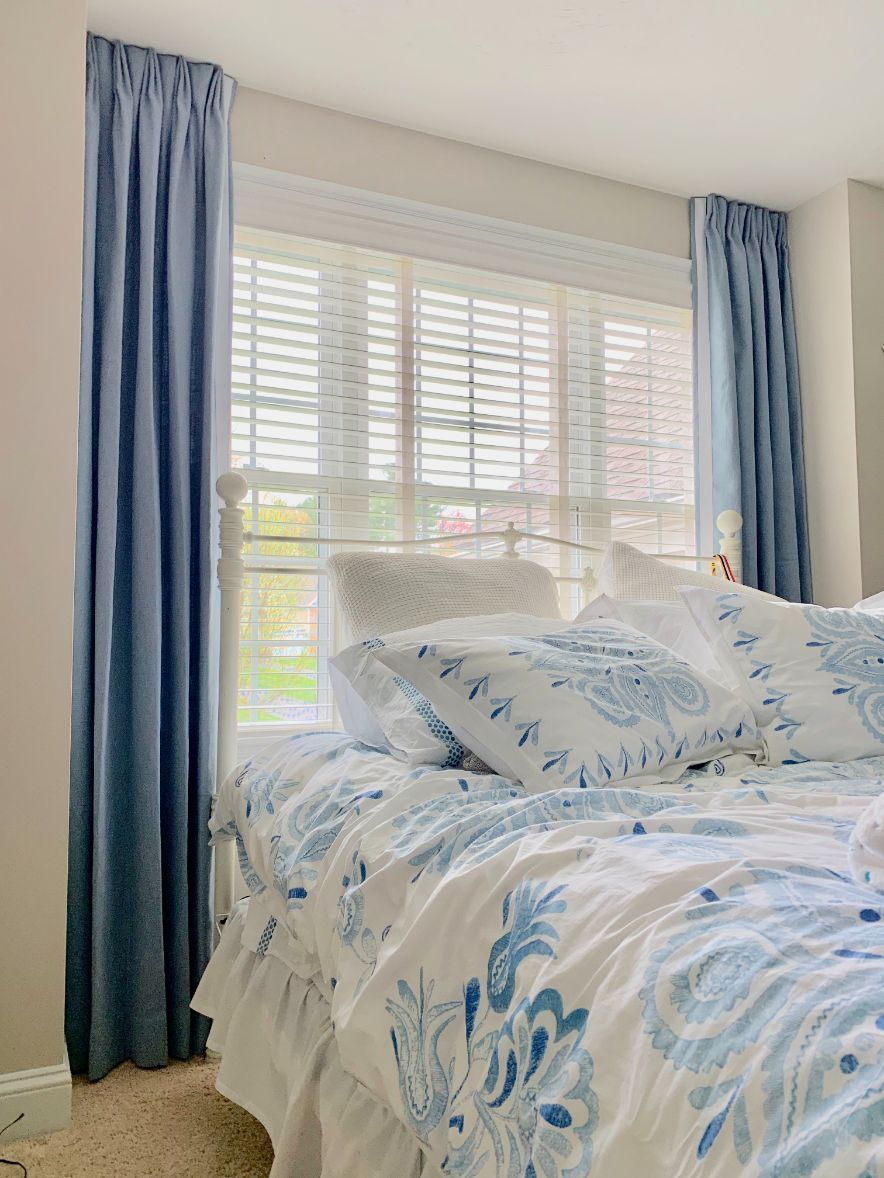
Dust accumulation can weigh down fabric and cause wrinkles. Use a vacuum with a brush attachment or a lint roller to remove debris regularly.
Steaming and Ironing: Safe Practices
Steaming is one of the most effective ways to remove wrinkles without damaging the fabric. Use a handheld steamer and move in upward strokes to smooth out creases. For stubborn wrinkles, iron your drapery on a low heat setting, placing a cloth between the iron and the fabric for protection.
Warning: Always consult the care label or contact the manufacturer to ensure the fabric can withstand steaming or ironing. Some materials are heat-sensitive and require alternative treatments.
Control Humidity
Fluctuations in humidity can cause fabric to stretch or contract, leading to wrinkles. Maintain an indoor humidity level of 40-60% to keep your drapery in optimal condition.
Homes in Boston and MetroWest swing between dry, heated winters and humid summers. If your drapery seems to stretch or crease with the seasons, that is often why.
How can custom drapery help prevent wrinkles?
Custom draperies can be built to hang well from the start. Ask your designer about:
- Lining and interlining: Extra body helps the fabric fall straight.
- Hem weights: Small weights sewn into the hem keep panels hanging true.
- The right fullness: Panels that are too narrow pull and crease. See how wide drapery panels should be.
- The right header: Pleats and grommets hang differently. Read about the types of drapes.
Storage Solutions: Avoiding Wrinkles During Downtime
When it’s time to store your drapery, proper methods can make a significant difference in preventing creases.
Fold Carefully
Avoid haphazard folding, which creates deep creases. Instead, fold the fabric loosely, ensuring minimal pressure on the material.
Use Protective Covers
Place drapes in breathable garment bags or acid-free tissue paper before storing them in a cool, dry place. Avoid plastic bags, as they can trap moisture and cause mold or mildew.
Note: Double-check storage recommendations on the care label to ensure your fabric stays in top condition.
Preventive Measures: Staying Ahead of Wrinkles
Fabric Softeners and Wrinkle-Release Sprays
Products like wrinkle-release sprays can be used sparingly to keep your drapery smooth and fresh. Be cautious with fabric softeners, as they may not be suitable for all materials.
Add Lining or Interlining
Lined or interlined drapery is heavier, allowing gravity to help maintain a wrinkle-free appearance. The added layers also provide better insulation and light control.
Reminder: Professional consultation is recommended when choosing linings or interlinings, especially for custom drapery.
Troubleshooting Common Issues: When Wrinkles Persist
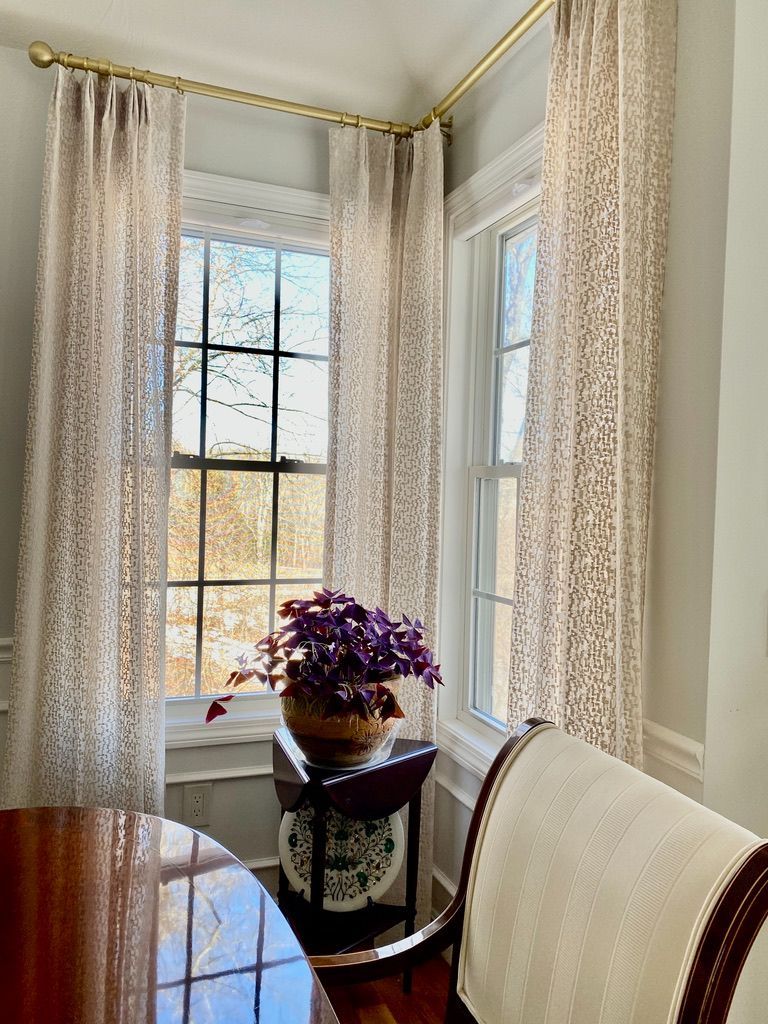
Addressing Stubborn Wrinkles
For deep-set creases, professional cleaning or pressing services may be necessary. Experts have the tools and experience to rejuvenate your drapery without causing damage.
Wrinkles already there? Follow our step-by-step guide to getting wrinkles out of curtains.
When to Seek Professional Help
If your curtains are made from delicate or high-maintenance fabrics, consider professional cleaning annually to prevent wear and tear.
Frequently Asked Questions
What is the best fabric to prevent wrinkles in drapery?
Polyester and polyester blends resist wrinkles best. Cotton and linen crease more easily, but many people love their relaxed look. Your designer can help you weigh the look against the upkeep.
Does lining help drapery hang without wrinkles?
Yes. Lining and interlining add weight and body, so the fabric falls straight and holds its shape. They also improve light control and insulation.
How should I store drapery to avoid wrinkles?
Roll it or fold it loosely, and store it in a breathable fabric bag in a cool, dry place. Avoid plastic bags, which can trap moisture.
Should I steam new drapery when it is installed?
Light steaming while the panels hang can help the folds settle. Check the care label first, since some fabrics are heat-sensitive.
Ready to transform your windows? Request your free in-home consultation.
Want drapery that hangs beautifully from day one? Kendra Weldon has more than 20 years of interior design experience, and Simply Windows has served Greater Boston since 2010. We bring the showroom to you, with designer fabric samples in hand. There is no pressure. Explore our custom draperies.
