
Prepare for Winter with Insulating Window Treatments
Which Window Treatments Help Boston Homes Feel Warmer in Winter?
Insulating window treatments can help make rooms feel more comfortable during a New England winter by adding another layer between the room and the glass.
That matters because windows can feel noticeably colder once temperatures drop. Even in a well-heated home, sitting beside a large window or glass door can make a room feel less comfortable.
At Simply Windows, Kendra Weldon looks at winter comfort as part of the overall design plan. The goal is not simply to cover the glass. It is to choose custom window treatments that manage light, privacy, comfort, and style together.
For homes in Boston, Westborough, and across MetroWest, that may mean cellular shades, custom drapery, shutters, or a combination of treatments.
Which Window Treatments Are Best for Winter?
The best window treatments for winter are those that add coverage at the glass while still working well with the room and the way you use it.
Several options are worth considering:
- Cellular or honeycomb window shades
- Custom draperies
- Layered window treatments
- Custom shutters
- Roman shades with appropriate fabric and lining
- Motorized shades for large or hard-to-reach windows
The right answer depends on the window.
A small bedroom window may benefit from a different treatment than a large family room window or a sliding glass door. Kendra considers the size of the opening, the direction it faces, and how much natural light you want to keep.
The goal is comfort without making the room feel dark or heavy.
Why Are Cellular Shades a Good Choice for Cold Weather?
Cellular shades, also known as honeycomb shades, are a strong choice for winter because their honeycomb-shaped construction creates pockets of air between the room and the window.
That extra layer can help reduce the uncomfortable feeling of cold glass near the room.
Cellular shades are also versatile. Depending on the room, they can provide light filtering, greater privacy, or room darkening.
They work especially well when homeowners want a clean treatment that does not add a large amount of visual weight to the window.
In a Westborough bedroom, for example, a cellular shade can provide privacy while keeping the room visually simple. In a Boston condo with larger windows, cellular window shades may help create a more comfortable space without covering the architecture with heavy fabric.
They can also be a practical option for windows where insulation is important but you still want a streamlined look.
Can Drapery Help a Room Feel Warmer in Winter?
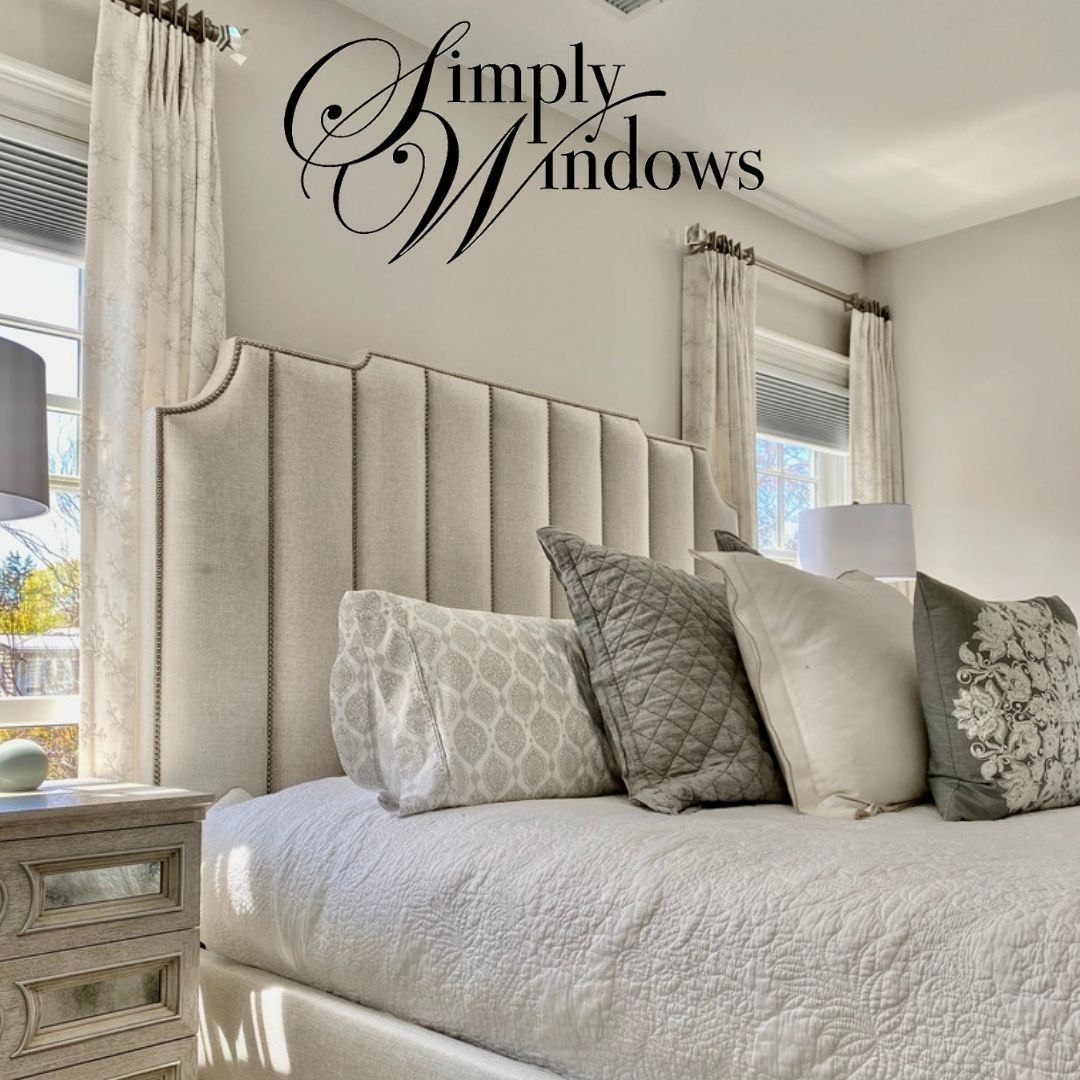
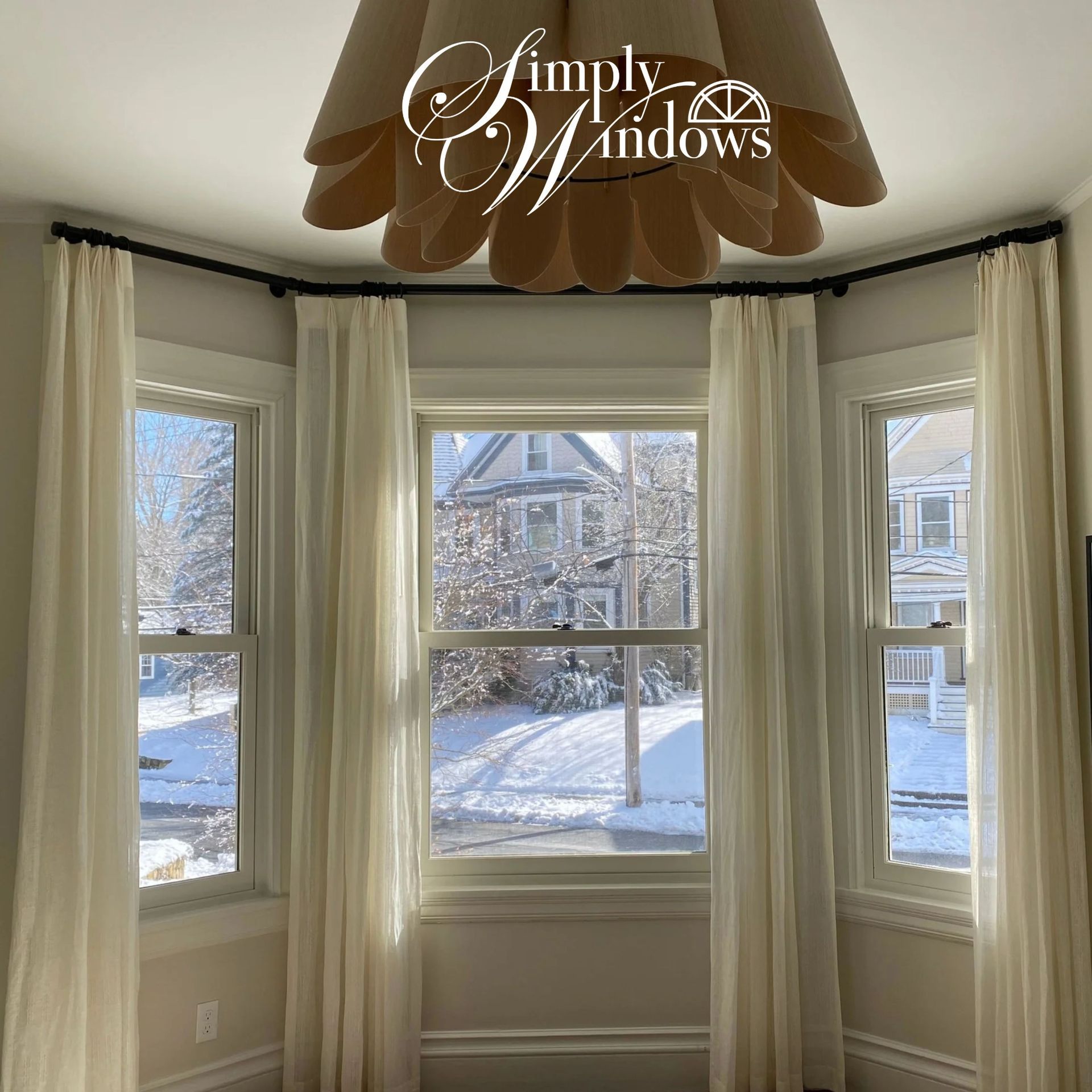
Yes. Custom drapery can add another layer at the window while also bringing softness, texture, and color into the room.
This is one reason drapery works so well in New England interiors.
During warmer months, the fabric may primarily serve a decorative purpose or help manage bright sunlight. During colder weather, that additional layer can also help make the window area feel more comfortable.
Fabric choice, fullness, lining, and length all affect how the finished treatment looks and functions.
Kendra also considers where the drapery will sit when it is open. A treatment should frame the window beautifully without unnecessarily blocking natural light.
This is especially important during shorter winter days.
The result should feel warm and finished without making the room feel closed in.
Do Layered Window Treatments Make Sense for Winter?
Layered window treatments can be especially useful in winter because each layer can serve a different purpose.
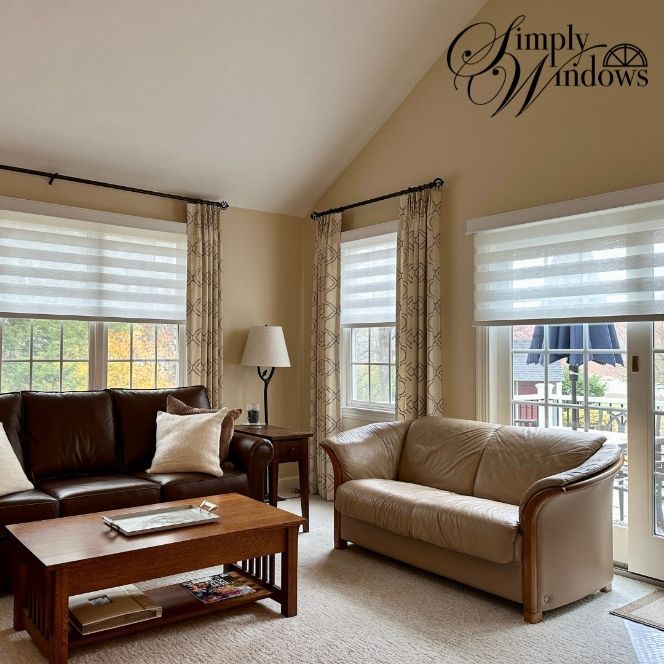
A window shade can provide daily privacy and light control, while drapery adds softness and another layer of coverage.
That combination also gives a homeowner more flexibility throughout the day.
On a bright winter morning, you may want the window shade open to bring in natural light. Later in the evening, both the shade and drapery can be closed for privacy and a cozier feel.
Layering also works well from a design standpoint.
A functional shade does not have to carry the entire visual weight of the room. Drapery can introduce fabric, pattern, or texture while the window shade handles everyday operation.
For a primary bedroom, living room, or dining room, this can create a much more finished result.
What About Large Windows and Walls of Glass?
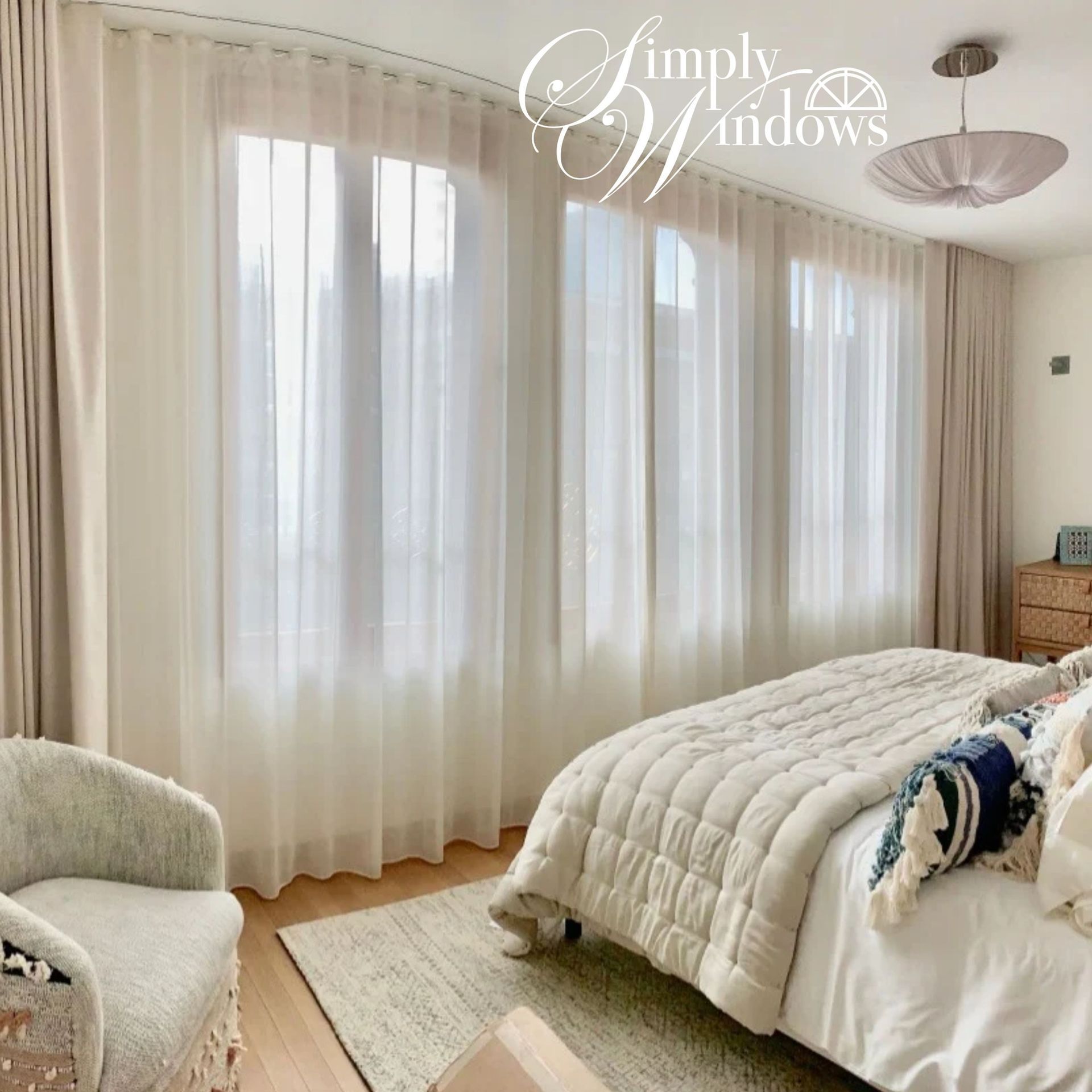
Large windows need extra planning because they bring in beautiful natural light but also create a larger area of exposed glass.
Boston condos in the Seaport and SoWa can have expansive glass and significant glare. MetroWest homes may have open family rooms, sunrooms, or sliding doors facing decks and patios.
The answer is not necessarily to cover all that glass with a heavy treatment.
Kendra looks at when the room gets direct sun, whether privacy is needed, how the windows are used, and how much of the view the homeowner wants to preserve.
A roller shade or another streamlined window shade may make sense for some contemporary spaces. Cellular shades may be appropriate where comfort is the higher priority.
Motorized shades can also be useful when a room has several large windows or hard-to-reach treatments. Hunter Douglas PowerView and Lutron are options Simply Windows may use when motorization fits the project.
The technology should make the room easier to use rather than complicating it.
Can Insulated Window Shades Fix Drafty Windows?
Window treatments can improve comfort around drafty or cold windows, but they do not repair problems with the window itself.
That distinction is important.
If air is entering through damaged seals, gaps, or another problem with the window, the underlying issue may need to be addressed separately.
Custom window treatments can still help by providing an additional layer between the room and the glass.
This is where honest design guidance matters. Kendra can help you choose treatments that improve privacy, light control, and comfort, but window coverings are not a substitute for needed window repairs.
Which Rooms Benefit Most From Insulating Window Treatments?
Bedrooms, living rooms, family rooms, home offices, and rooms with large areas of glass can all benefit from thoughtful winter window treatments.
Bedrooms are often a priority because comfort and room darkening may both matter.
Family rooms can be another important area, especially if sofas or chairs sit close to large windows.
Home offices may have a different issue. Low winter sun can create glare on computer screens even when the room itself feels cool.
The solution should respond to the problem you actually have.
That may mean cellular shades in one room, lined drapery in another, and a layered treatment somewhere else.
A whole home does not need the same window treatment everywhere.
How Does Simply Windows Help You Prepare for Winter?
Simply Windows helps homeowners choose winter window treatments by looking at comfort, light, privacy, architecture, and interior design together.
During a free in-home consultation, Kendra can see which windows feel cold, which rooms receive strong winter sunlight, and which treatments will work with your existing furnishings.
Simply Windows in Westborough provides custom window treatments throughout MetroWest and Greater Boston. The team handles professional measuring and White Glove Installation so the finished treatment is designed for the actual window.
That personal approach is especially helpful when preparing for winter because every room can have different needs.
Instead of simply choosing the treatment that sounds the most insulating, you can choose the window covering that makes sense for the space and the way you live.
Ready to transform your windows? Request your free in-home consultation.
Frequently Asked Questions
Q: What are the best insulating window treatments for winter?
A: Cellular shades, custom drapery, layered window treatments, shutters, and certain Roman shades can all add coverage at the window. The best choice depends on the room, window size, privacy needs, and design.
Q: Do cellular shades help with cold windows?
A: Cellular shades create air pockets between the room and the glass, which can help the window area feel more comfortable during colder weather.
Q: Are curtains or window shades better for winter?
A: Both can work well. Window shades provide practical coverage and light control, while custom drapery adds fabric and another layer. Using both together can provide greater flexibility.
Q: Can insulating window treatments stop drafts?
A: Window treatments can help improve comfort near a drafty window, but they do not repair gaps, damaged seals, or other problems with the window itself.
Q: Are motorized shades useful during winter?
A: Yes. Motorized shades can make it easier to adjust large or hard-to-reach windows throughout the day as sunlight, glare, privacy, and comfort needs change.
