
Window Treatments for Boston Historic Renovations
How Do Custom Window Treatments Preserve Historic Boston Homes?
Custom window treatments preserve historic Boston homes by improving privacy, comfort, and light control without taking away from original architectural character.
Historic renovations often require a careful balance. Homeowners want modern function, but they also want to protect details that make the home special.
At Simply Windows, Kendra Weldon helps homeowners in Boston, Jamaica Plain, Brookline, Weston, Wayland, Westwood, and Westborough choose custom window treatments that respect the architecture of each home. Her approach focuses on fit, proportion, material selection, and how the room is actually used.
In historic homes, the right window treatment should feel like it belongs there. It should support the renovation, not compete with it.
What Makes Historic Boston Windows Hard to Treat?
Historic Boston windows are hard to treat because they often have unusual sizes, older trim, deep casings, or delicate millwork.
Many older homes were not built with standard window dimensions. This is especially true in brownstones, pre-1940 triple-deckers, Victorians, and older Colonial-style homes.
Common challenges include:
- Tall, narrow windows
- Deep window frames
- Original wood trim
- Uneven openings
- Street-facing rooms
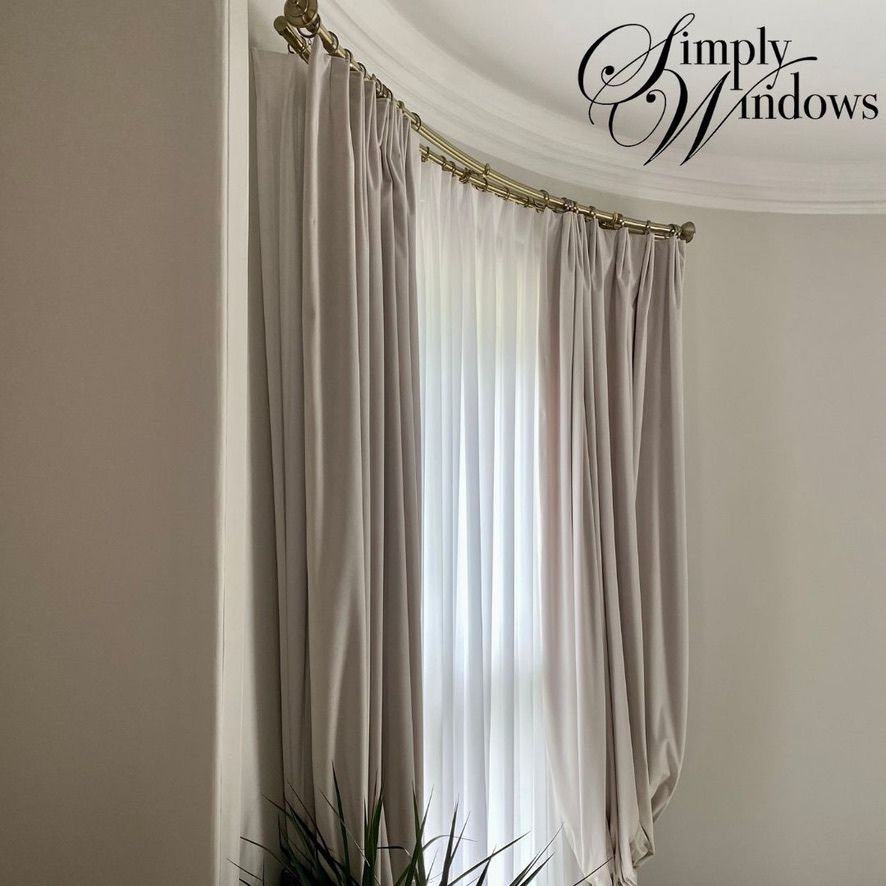
- Bay windows
- Arched or specialty shapes
A ready-made shade may not fit properly. It can also leave gaps, look undersized, or interfere with the trim.
Custom window treatments solve these issues by starting with the actual window, not a standard product size.
What Are the Best Window Treatments for Historic Renovations?
The best window treatments for historic renovations include Roman shades, café shutters, custom drapery, plantation shutters, and woven wood shades.
Each option supports a different design goal. Some add softness. Others provide privacy, insulation, or architectural structure.
Strong options include:
- Roman shades for tailored fabric detail
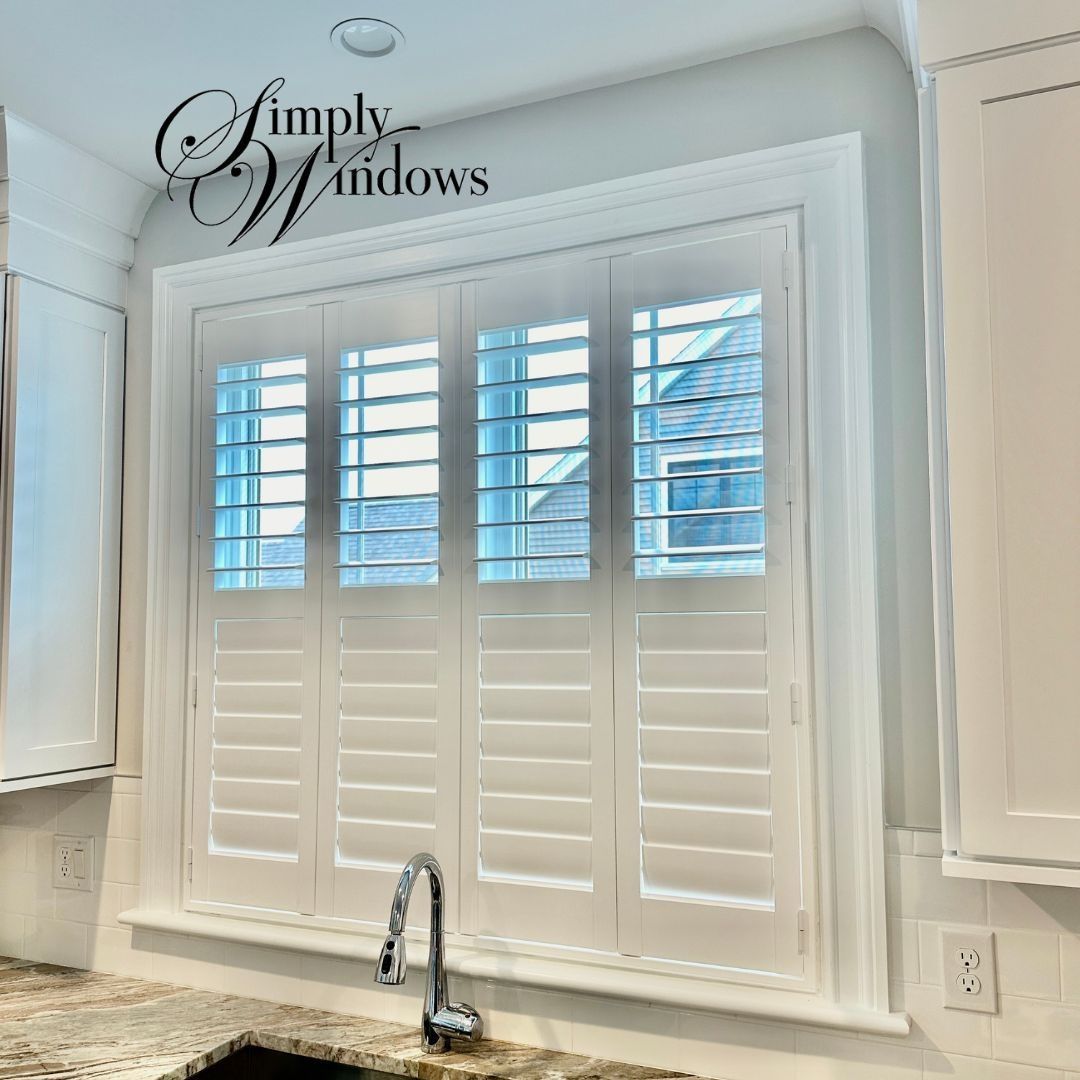
- Café shutters for street-facing privacy
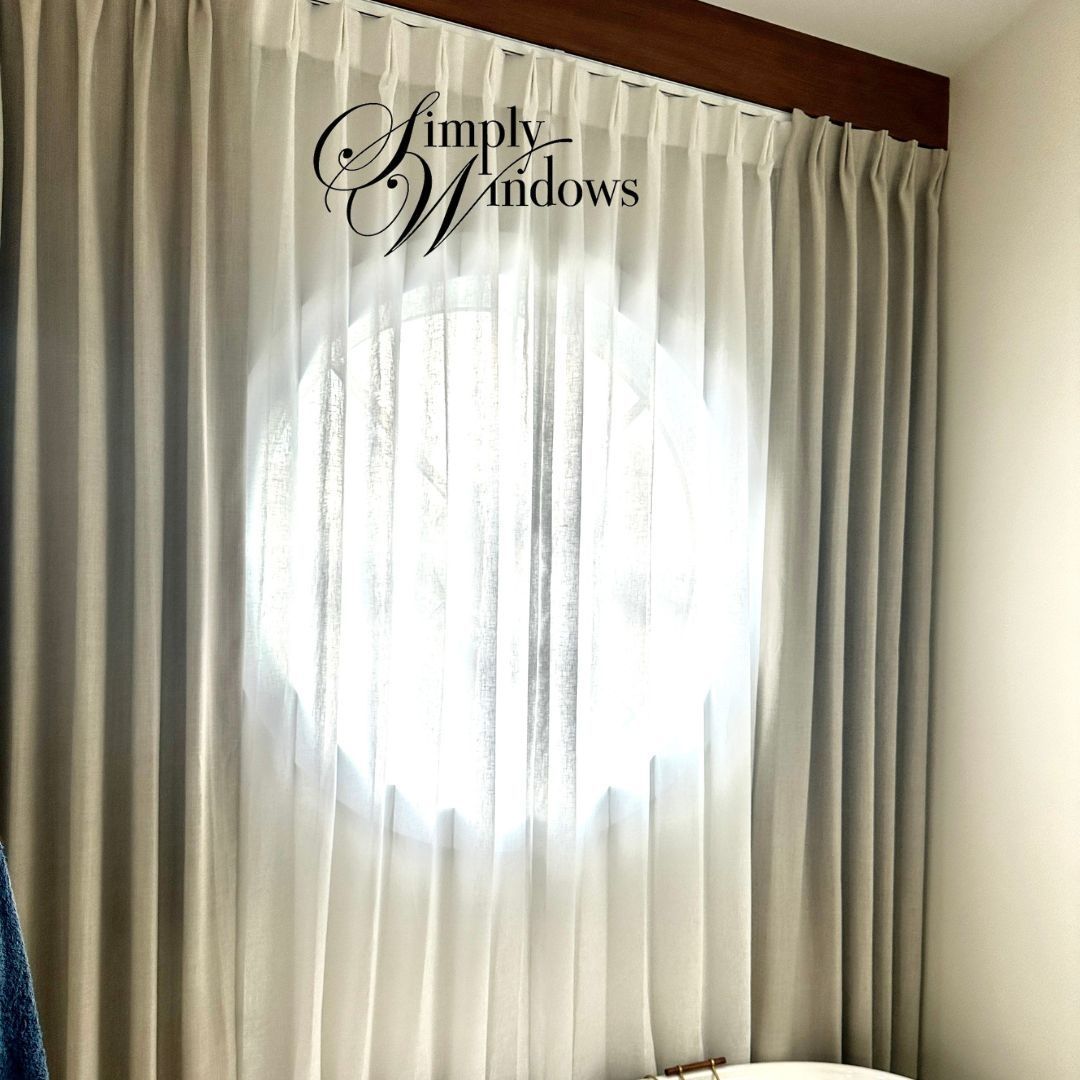
- Custom drapery for softness and scale
- Plantation shutters for timeless structure
- Woven wood shades for natural texture
- Motorized roller shades or cellular shades for hard-to-reach windows
Kendra often looks at the age of the home, the trim profile, and the room’s function before recommending a product. A Back Bay parlor window may need a very different solution than a Jamaica Plain bedroom or a Brookline dining room.
Are Café Shutters a Good Choice for Street-Facing Windows?
Yes, café shutters are a strong choice for street-facing historic homes because they provide privacy while keeping the upper window open for natural light.
Café shutters cover only the lower portion of the window. This makes them especially useful in rooms facing sidewalks, neighboring homes, or busy streets.
They are a natural fit for:
- Boston brownstones
- Brookline homes
- Jamaica Plain triple-deckers
- Powder rooms
- Living rooms
- Dining rooms
Café shutters help protect privacy without making a room feel closed in. They also create a classic look that works well with historic millwork.
When Should You Choose Custom Drapery?
Custom drapery is the best choice when a historic room needs softness, height, and a more finished design.
Drapery can frame a window without covering the details that make it special. It can also help balance rooms with tall ceilings, large windows, or formal architecture.
Custom drapery works especially well in:
- Formal living rooms
- Dining rooms
- Primary bedrooms
- Libraries
- Sitting rooms
Fabric selection matters in historic renovations. A subtle linen, textured neutral, or classic pattern can make the room feel updated without feeling out of place.
Simply Windows offers designer fabrics from approved fabric houses, including Kravet, Stout, Kasmir, Duralee, Carole, and Greenhouse.
How Do Window Treatments Protect Historic Millwork?
Custom window treatments protect historic millwork by using careful measurements and thoughtful mounting choices.
In older homes, original trim should be treated with care. A poor installation can distract from the architecture or damage details that are difficult to replace.
Kendra considers:
- Trim depth
- Frame condition
- Wall material
- Window operation
- Clearance for handles or locks
- How the treatment will mount
Sometimes the best solution sits inside the frame. Other times, an outside mount protects the trim and creates better coverage.
The right answer depends on the home.
Are Motorized Shades Appropriate for Historic Homes?
Yes, motorized shades can work beautifully in historic homes when the system is planned carefully.
Motorization is especially useful for tall windows, hard-to-reach openings, and rooms with several shades. It can also reduce visible cords for a cleaner look.
Approved motorization options may include:
Kendra may recommend motorization when it improves daily use without disrupting the room’s historic character. For some windows, a manual solution may still be the better choice.
That honest guidance is important in older homes.
How Does Simply Windows Help With Historic Home Window Treatments?
Simply Windows helps homeowners choose historic home window treatments by combining design experience, product knowledge, and professional installation.
Kendra Weldon works closely with clients to understand the renovation, the architecture, and how each room should feel. She helps homeowners compare Roman shades, café shutters, custom drapery, plantation shutters, woven wood shades, and motorized options with clear guidance.
Simply Windows serves Boston, Jamaica Plain, Brookline, Weston, Wayland, Westwood, Westborough, and nearby Massachusetts communities. The team designs custom window treatments that improve comfort while respecting the character of the home.
Ready to transform your windows? Request your free in-home consultation.
Frequently Asked Questions
Q: What are the best window treatments for historic homes?
A: The best window treatments for historic homes often include Roman shades, café shutters, custom drapery, plantation shutters, and woven wood shades. The right choice depends on the window shape, original trim, privacy needs, and the style of the renovation.
Q: Can custom shades work with old or uneven windows?
A: Yes, custom shades can be designed for older windows that are not perfectly square. Professional measuring is especially important in historic homes because small differences in the opening can affect fit and operation.
Q: Are café shutters good for Boston brownstones?
A: Yes, café shutters are a great choice for Boston brownstones because they provide privacy at street level while allowing natural light through the top of the window. They also pair well with historic trim and tall window proportions.
Q: Should historic windows be covered completely?
A: Not always. Some historic windows look best when the upper portion remains visible. Roman shades, café shutters, or drapery panels can provide privacy and light control while still showcasing the home’s architecture.
Q: Can motorized shades be used in historic renovations?
A: Yes, motorized shades can be used in many historic renovations when planned correctly. Hunter Douglas PowerView® and Lutron options may work well for tall or hard-to-reach windows, but the best choice depends on the home and the window location.
