
Luxury Window Treatments for Boston Homes
What Makes Designer Window Treatments Work in Luxury Homes?
Luxury window treatments feel intentional because they balance proportion, fabric, light, privacy, and function with the architecture of the home.
Beautiful fabric alone is not enough.
At Simply Windows, Kendra Weldon brings more than 20 years of interior design experience to each project. She looks at how a room is used, how sunlight moves through the space, and how the windows relate to everything around them.
That approach matters in homes throughout Boston, Brookline, Jamaica Plain, Weston, Wayland, Westwood, and Westborough. A floor-to-ceiling window in a Boston condo needs a different solution than original millwork in a Brookline home or an expansive great room in Weston.
The designer secret is simple: the best window treatments do not look added on. They look as though they were always part of the room.
What Makes a Window Treatment Look Luxurious?
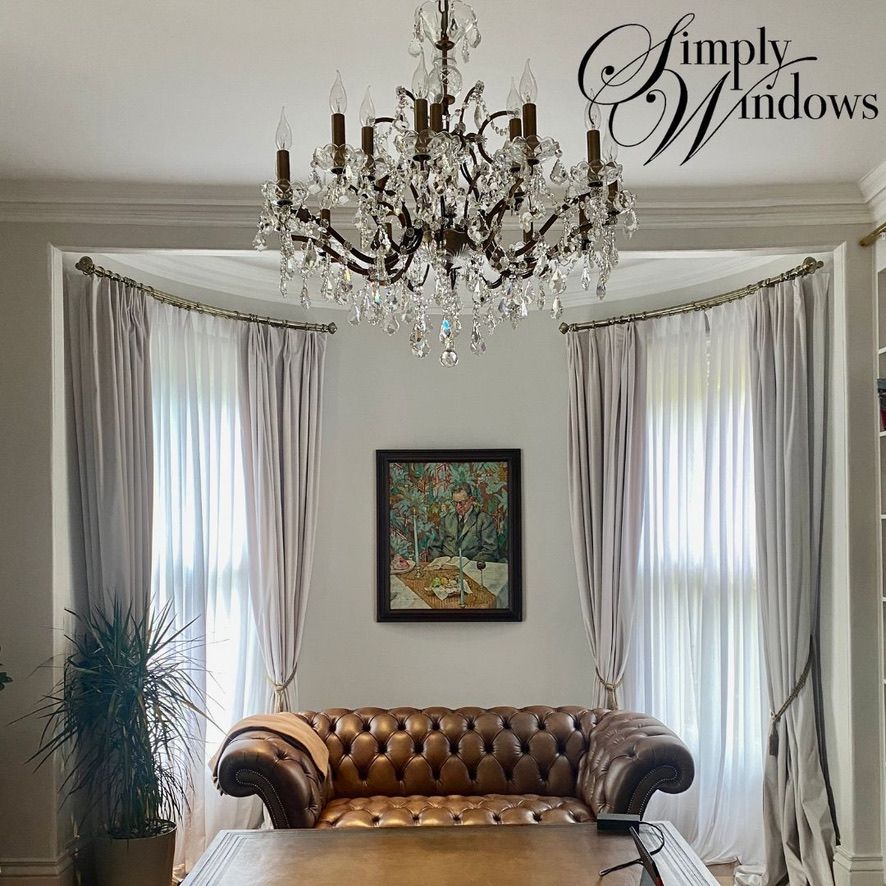
Luxury window treatments look refined because the scale, materials, hardware, and installation work together.
A designer does not choose a shade or drapery panel in isolation. The window is considered as part of the entire room.
Kendra looks at details such as:
- Ceiling height
- Window proportions
- Existing millwork
- Furniture placement
- Natural light
- Privacy needs
- Fabric weight and texture
- How the treatment will operate
Small details make a large difference.
Drapery that is too short can make a tall room feel awkward. Hardware that is too small may look out of proportion. A shade mounted without considering original trim can distract from beautiful architecture.
Luxury often comes from getting those details right.
Why Do Interior Designers Start With Function Before Fabric?
Interior designers start with function because even the most beautiful window treatment will disappoint if it does not solve the room's practical needs.
Before choosing fabric, Kendra asks how the window needs to perform.
Does the room need:
- Daytime privacy?
- Better glare control?
- Room darkening?
- Protection from strong afternoon sun?
- Easier operation?
- Better insulation?
- A treatment for a hard-to-reach window?
A west-facing living room in Weston may need solar control before decorative fabric enters the conversation. A street-facing room in Jamaica Plain may need privacy without losing daylight.
Once the functional layer is right, the decorative choices become much easier.
Why Do Layered Window Treatments Feel More Finished?
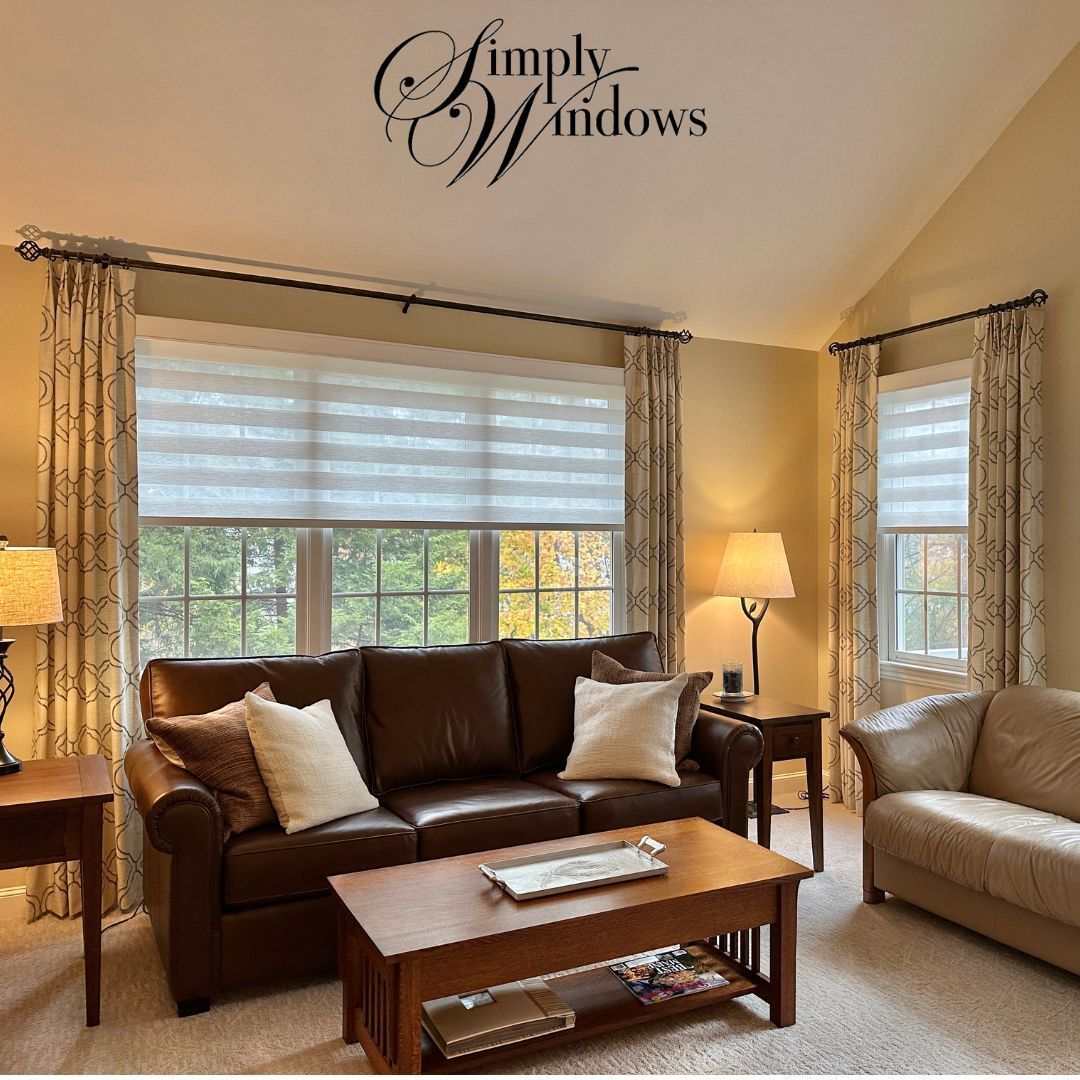
Layered window treatments feel more finished because they combine practical light control with the softness and depth of fabric.
A common designer approach is to pair a functional shade with custom drapery.
The shade handles:
- Privacy
- Glare
- Sun control
- Daily operation
The drapery adds:
- Texture
- Color
- Visual height
- Softness
- A stronger connection to the rest of the room
This combination works especially well in primary bedrooms, living rooms, dining rooms, and larger entertaining spaces.
For a Westwood new build, Kendra may recommend a clean motorized shade behind full-length drapery. In a Brookline home, a Roman shade with decorative panels may better complement the home's traditional details.
There is no single formula. The layers should respond to the room.
How Do Designers Choose Drapery for a Luxury Home?
Designers choose drapery by considering fabric, fullness, length, pleat style, hardware, and the proportions of the room.
Fabric is important, but construction is equally important.
A tailored pleat can create a more structured appearance. Ripple fold drapery can complement a modern Boston condo. Softer folds may feel more natural in a relaxed bedroom or traditional home.
Simply Windows works with approved designer fabric houses including:
- Kravet
- Stout
- Kasmir
- Duralee
- Carole
- Greenhouse
Kendra also considers what is already in the room. Drapery should relate to upholstery, rugs, wallcoverings, and other textiles without looking overly matched.
In a well-designed room, the fabric supports the overall palette rather than competing with it.
When Does Motorization Make Sense in a Luxury Home?
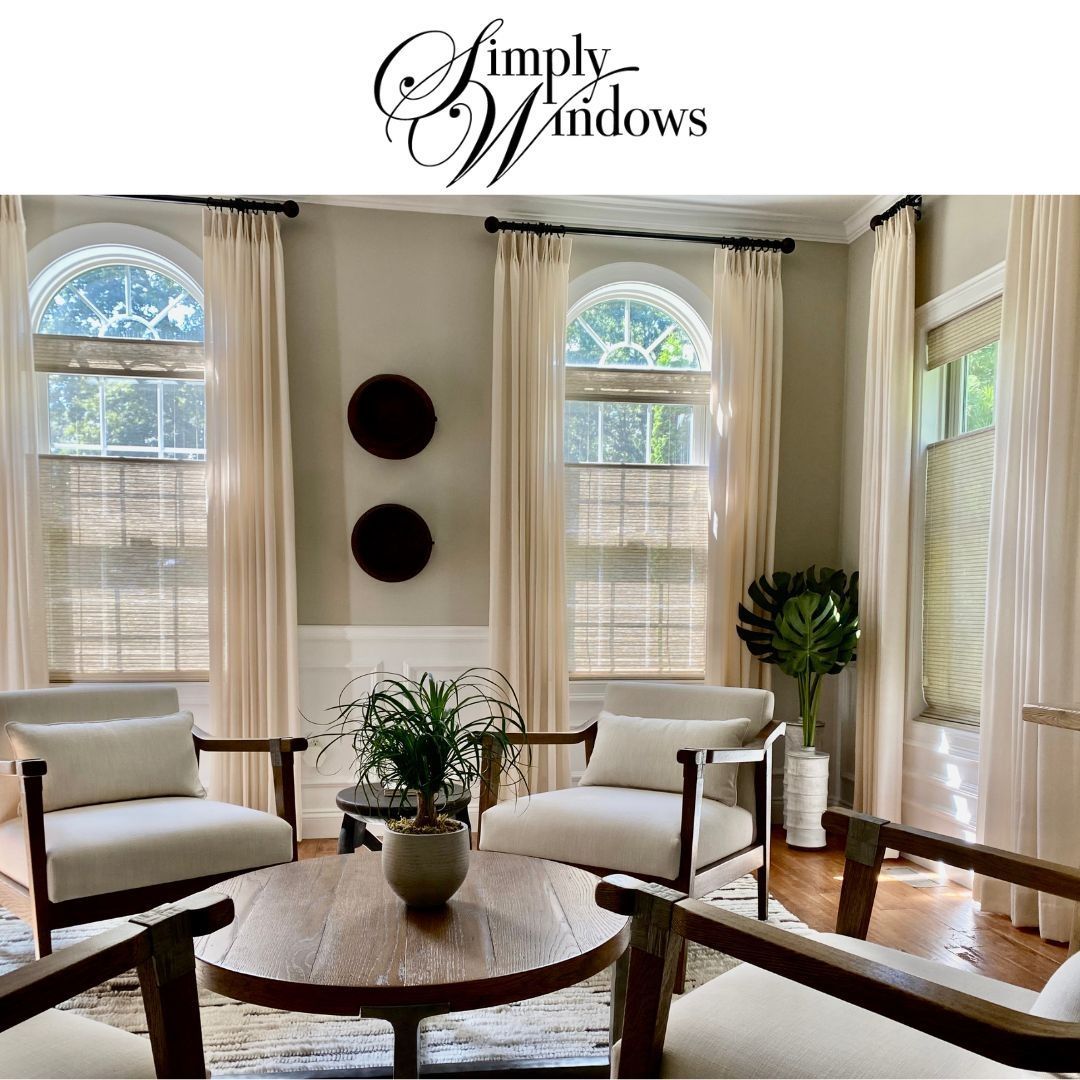
Motorization makes the most sense when it improves daily use, solves an access problem, or allows several window treatments to operate together.
Large homes often include tall windows, walls of glass, or multiple shades in one room. Manual operation may become inconvenient in those situations.
Kendra may recommend Hunter Douglas PowerView® or Lutron for:
- Tall or hard-to-reach windows
- Large banks of shades
- Floor-to-ceiling glass
- Two-story rooms
- Primary bedrooms
- Rooms where scheduled light control is useful
Motorization should still be planned thoughtfully.
A shade should not be motorized simply because the option exists. The window location, power source, accessibility, and long-term usability should all be considered first.
That is especially important in high-end projects where technology needs to feel seamless rather than complicated.
How Do Custom Window Treatments Protect the Architecture?
Custom window treatments protect the architecture by fitting the actual window instead of forcing a standard product into the space.
This is particularly important in Boston and Brookline homes with original woodwork, deep casings, unusual window sizes, or historic details.
A professional designer considers:
- Whether an inside or outside mount makes sense
- How much trim should remain visible
- Whether hardware will interfere with molding
- How the treatment relates to the ceiling
- Whether the window still needs to open normally
In some historic rooms, Kendra may recommend café shutters or Roman shades because they preserve more of the original window.
In a contemporary home, the goal may be different. A low-profile roller shade may nearly disappear when raised, keeping the architecture and view as the focus.
The best solution respects what makes the home distinctive.
How Does Simply Windows Approach
Luxury Window Treatment Design?
Simply Windows approaches luxury window coverings as an interior design decision first and a product decision second.
Kendra Weldon works with homeowners to understand the architecture, furnishings, light, privacy needs, and daily routines before recommending a treatment. That process helps avoid choosing something beautiful in a showroom that does not work as well in the actual room.
Simply Windows provides custom window treatments for homes throughout Boston, Brookline, Jamaica Plain, Weston, Wayland, Westwood, Westborough, and surrounding communities.
Whether the project involves custom drapery, Roman shades, shutters, motorized shades, or a layered combination, the goal is the same: create windows that look considered, function beautifully, and feel connected to the rest of the home. Schedule your free consultation today.
Frequently Asked Questions
Q: What makes window treatments look high-end?
A: High-end window treatments fit the window precisely and use materials, proportions, and hardware that complement the room. Professional measuring, custom fabrication, and thoughtful installation often make a greater difference than choosing an elaborate style.
Q: What window treatments do interior designers use in luxury homes?
A: Interior designers often use custom drapery, Roman shades, motorized shades, shutters, and layered window treatments. The best option depends on the architecture, privacy needs, light exposure, and overall design of the room.
Q: Should luxury window treatments match throughout the entire house?
A: Not necessarily. Window treatments should feel connected, but every room does not need the same product or fabric. A consistent palette, hardware finish, or design language can create flow while allowing each space to function differently.
Q: Are motorized shades worth considering in a luxury home?
A: Yes, especially for tall windows, large banks of glass, or rooms with several shades. Motorization is most valuable when it makes the home easier to use rather than simply adding technology.
Q: Should I use drapery and shades together?
A: Layering drapery and shades is an excellent choice when you want both practical light control and a more finished design. The shade handles daily function while the drapery adds softness, texture, and architectural presence.
